

A lot of Amazon sellers think they make money. But they don’t. Data shows that 22% of sellers never make a profit. Many don’t know this until it’s too late. The sellers who win are the ones who know their real numbers.
Are you sure you how to calculate your Amazon seller profit? If not, keep reading. This guide will show you how to find your true profit. You’ll learn about hidden costs. You’ll see what taxes you owe. And you’ll get a plan to fix things.
What Is Profit?
Let’s start simple. Many sellers mix up two words. Sales is money that comes in. Profit is what you keep after you pay all costs.
On Amazon, there’s a big gap. You might sell something for $35. But you don’t keep $35. Far from it.
Here’s a real example. Say you sell a kitchen tool for $34.99. Here’s where the money goes:
- Amazon takes $5.25 as a fee. This is 15% of your sale price.
- Amazon takes $4.95 to pack and ship it. This is called the FBA fee.
- Storage costs you about $0.11 each month per item.
- Your product cost you $8.00 to buy.
- Shipping it to Amazon cost $0.48.
- Ads cost you $8.75 per sale.
- Returns eat another $0.40 per sale.
Add it all up. Your real profit is $6.65. That’s only 19% of the sale price. Not the 77% you might have thought.
This is why most sellers don’t know their real profit. They forget to count all the costs. Studies show the average seller keeps 15-20% profit. Good sellers keep 25% or more. But 13% of sellers lose money and don’t even know it.
Hidden Costs That Eat Your Money
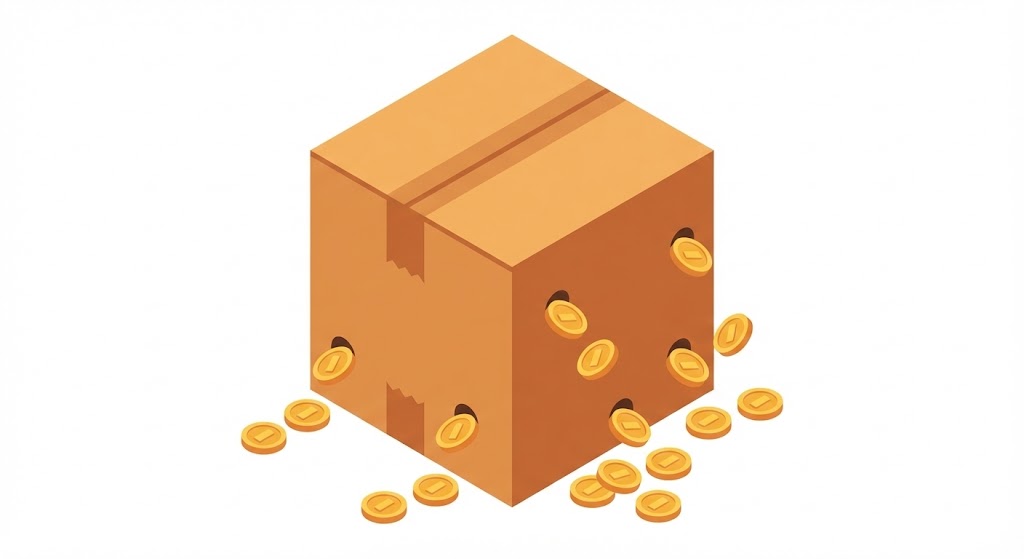
Amazon fees are just the start. Smart sellers track every penny. Here are the costs that sneak up on you.
Amazon Takes a Cut of Every Sale
This is called the referral fee. Most items cost you 15%. But some cost more. Jewelry costs 20%. Amazon device add-ons cost 45%. Electronics only cost 8%. These fees are based on your full sale price.
FBA Fees Change by Size and Weight
A tiny item under 4 ounces costs $3.06 to ship. A big item that weighs 2-3 pounds costs $6.04. Really big items cost $9.61 or more. Clothes cost an extra $0.40-$1.00 on top.
Storage Fees Jump During the Holidays
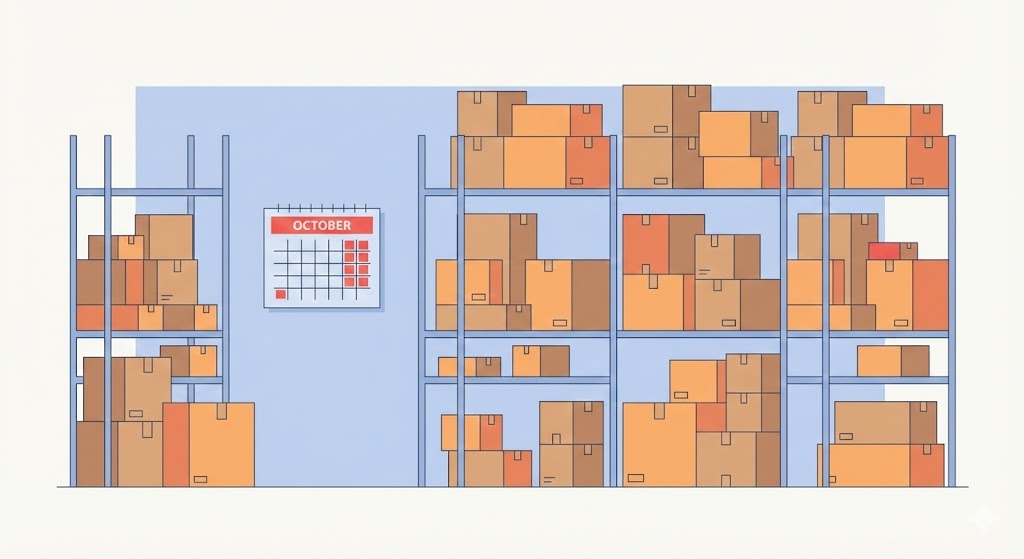
From January to September, you pay $0.78 per cubic foot. But from October to December, you pay $2.40. That’s three times more! And that’s when you need the most stock.
Old Items Cost a Lot More to Store
If an item sits more than 180 days, you pay an extra $0.50 per cubic foot. After 270 days, it’s $1.50 extra. After one year, it’s $6.90 extra. One seller had big pillows that didn’t sell. He lost money because Amazon charged by size, not weight.
Ads Can Kill Your Profit Fast
The average ad cost is 25-35% of sales. This means you spend $25-$35 in ads to make $100 in sales. If your profit is only 30% before ads, and your ads cost 35%, you lose money on every ad sale. One seller spent $33,000 on ads in three months. He only made $20,000 in sales. He lost big.
Here’s the thing most sellers miss. These ads build your buyer list. If you aren’t selling other things to the people who buy from you, you waste that list. Ever thought of sending a piece of mail to past buyers? You could sell them more of your stuff. That way, your ad costs pay off over time.
Returns Hurt More Than You Think
The average return rate is 8-12%. Clothes have 20-30% returns. Here’s the bad part. When a buyer sends something back, Amazon refunds them. But Amazon keeps your FBA fee. You also pay a return fee of $5.00 or 20% of the referral fee. And many returned items can’t be sold again. One seller told CNBC that return fraud cut her profit to just 1%.
Real Sellers Who Lost Money
Let me tell you about real people. These stories show why you must track your numbers.
Meet Gary: The Shaving Kit Seller
Gary expected $9,000 profit. He made $1,000. He put in about $19,000. He hoped to get 50% back. After 13 months, he had only $1,000 total. What went wrong? Ads cost nearly $5,000. His brushes broke after one month. Amazon stopped his account during the holidays. He had to drop his price from $38 to $24.99 just to sell anything. He said he had no idea ads would cost so much.
Meet Marcus: The Multi-Product Seller
Marcus lost it all on bad ads. He launched 17 products at once. Over three months, he spent $33,000 on ads. But he only made $20,000 in sales. He spent $1.64 in ads for every $1.00 he made. Why? He did no research. His products were just like everyone else’s. He bid high on keywords that didn’t match his items.
Meet Sandy: The New Seller
Sandy made nothing. She sold $350 worth of stuff. Profit? Zero. “It all goes to Amazon,” she wrote. Her account showed she owed Amazon $21.
The Good News
76% of Amazon sellers do make money. The ones who win track their numbers well. One seller made $40,639 in one month with a 40% profit. He only sold five products. He didn’t waste money on ads. Another seller hit $83,988 in sales with 10 products. She kept costs low. She priced everything above $30.
You can find stories like these all over the internet. They are real. It is possible. But you really need to know your numbers like you know your social security number.
How to Find Your Amazon Seller Profit
Here’s the math every seller needs. Your true profit equals your sale price minus ALL these costs:
- What you paid for the product
- Boxes and packing
- Shipping to Amazon
- Import fees (if any)
- Amazon’s referral fee (8-15%)
- Amazon’s FBA fee ($3-$7+)
- Monthly storage fee
- Ad costs per item
- Return costs
- Software costs
Let me show you a real example. You sell a home product for $29.99.
- You paid $7.50 for it.
- Amazon fees total $10.50.
- Ads cost $5.00 per sale.
- Your true profit is $6.99. That’s a 23.3% profit margin.
Here’s the key step most sellers skip. You must do this math for EVERY product you sell. Some products make money. Others lose money. You won’t know until you check each one.
Know Your Break-Even Ad Cost
This is the most ad spend you can handle. Here’s how to find it:
- Take your sale price.
- Take away product cost.
- Take away Amazon fees.
- Divide what’s left by your sale price.
If your $27 product has $9 left after costs, your break-even is 33%. Any ad that costs more than 33% of sales loses you money.

Set Up Systems to Track Your Money
Guessing won’t work. You need tools that show your real profit. Here’s how to set them up.
Get Software Made for Online Sellers
QuickBooks Online Plus costs $99 per month. Most accountants know how to use it. It tracks your inventory. Xero costs $42 per month and also works well. It’s half the cost and includes inventory too. Both are good. But neither links right to Amazon. That’s why you need another tool.
Add a Tool Like A2X
A2X connects Amazon to your books. It takes Amazon’s messy data and makes it clean. It sorts out your sales, fees, refunds, and taxes on its own. Small sellers pay $29 per month. Big sellers pay up to $219 per month. Most accountants who work with Amazon sellers say you need this tool. We agree. We use tools like this for all our bookkeeping clients.
Use a Profit Tracking Dashboard
SellerBoard costs $19-$79 per month. It tracks over 70 Amazon fees. It shows your real profit by product, day, and month. Helium 10 costs $39-$279 per month and does similar things. Either one will show you which products really make money. Amazon’s own reports don’t show this clearly.
Amazon Seller Central Reports Help But Don’t Show Everything
The Date Range Report shows your net revenue and Amazon fees. Business Reports show sales trends. But no Amazon report shows true profit. Amazon doesn’t know what you paid for products or what you spend on ads. You need other tools to see everything.
What to Check Every Month
Sellers who make money don’t wait until tax time. They check every month. Here’s what to look at.
Make Sure Amazon’s Numbers Match Your Bank
Download your Date Range Report. Check that deposits match your bank. If they don’t match, something is wrong.
Find Your Profit Margin
Divide your total profit by your total sales. Under 10% is danger. Between 15-25% is good. Over 25% is great.
Check Profit by Product
Your overall margin hides the truth. Often 20% of products make 80% of profit. Find which products make money. Drop products with margins under 10%.
Check Your Ad Costs
Find your ACoS (ad cost of sale). Compare it to your break-even number for each product. If you spend more on ads than you make in profit, you’re paying Amazon to lose money.
Look for Items That Don’t Sell
Any product in Amazon’s warehouse more than 180 days costs extra fees. Make a plan to sell it cheap or remove it before fees get worse.
Watch Your Return Rate
If returns go up, find out why. Bad quality, wrong sizes, or bad listings are common causes. Returns destroy margins.
What the IRS Wants From You
You run a business. The IRS treats you like one. Here’s what you need to know for 2024-2025.
You’ll Get a 1099-K Form If You Sell Enough
As of 2025, the limit is $20,000 AND 200 sales. But you owe taxes on all income. This is true even if you don’t get a form.
Self-Employment Tax Adds 15.3% to Your Bill
This covers Social Security (12.4%) and Medicare (2.9%). You pay this on all profit over $400. You can deduct half of this tax from your income. That helps a bit.
You Must Pay Taxes Four Times a Year
This is if you owe $1,000 or more. The due dates for 2025 are:
- April 15
- June 16
- September 15
- January 15, 2026
Miss these dates and you pay penalties.
You Can Deduct Almost All Business Costs
Product costs, Amazon fees, ads, shipping supplies, software, home office, internet (business part), accounting fees, business insurance, and training. Keep all receipts. The IRS says keep records for at least three years. Seven years is safer.
The Home Office Deduction Can Save You Money
You need a space used only for your business. The simple way gives you $5 per square foot, up to 300 square feet. That’s up to $1,500 off your taxes. The hard way takes more work but often saves more. If your office is 10% of your home, you can deduct 10% of rent, power, and insurance.
How You Count Inventory Matters
Most sellers should use FIFO. This means First-In, First-Out. It’s easy to track. It’s what most businesses do. It works for US and world rules. Once you pick a method, you must stick with it. Changing needs IRS approval.

Sales Tax Is Easier Now
Sales tax used to be hard. It’s much easier now. But you still need to understand it.
Amazon Collects Sales Tax for You
Amazon does this in all states that require it. Amazon figures out the tax. Amazon charges the buyer. Amazon sends the money to the state. You don’t have to do anything for sales on Amazon.
But Some States Still Want You to Register
Even if Amazon collects your taxes, some states want you on file. And if you sell on your own website or at shows, you must collect and send those taxes yourself.
Sales Amounts Set Where You Have Tax Duties
Most states set the limit at $100,000 in sales. Texas and California use $500,000. If you sell more than the limit in a state, you have duties there.
FBA Creates Tax Ties in States With Amazon Warehouses
Amazon has warehouses in over 40 states. If your items sit in California, Texas, or New York warehouses, you may have duties in those states. This matters more for sales on your own site.
The Right Business Type Saves You Money
How you set up your business changes how much tax you pay.
Sole Proprietorship Works When You’re Small
No filing fees. Simple tax forms. No extra paperwork. The downside: no protection. If someone sues your business, they can take your personal stuff.
An LLC Gives You Protection
It costs $50-$500 to set up depending on your state. You still file taxes on your personal return. But if someone sues, they can’t take your personal things. Most serious sellers get an LLC once they have real inventory.
S-Corp Election Makes Sense at $40,000-$60,000+ Profit
Here’s why. As a simple seller, you pay 15.3% tax on ALL your profit. As an S-Corp, you only pay payroll taxes on your salary. Money you take out as profit is free of this tax.
Example: You make $100,000 profit. As a simple seller, you pay about $15,300 in self-employment tax. As an S-Corp, you pay yourself $60,000 salary and take $40,000 as profit. You pay about $9,180 in payroll taxes. That’s about $6,000 saved every year.
But watch out. The IRS says S-Corp owners must pay a fair salary. You can’t pay yourself $10,000 and take $90,000 as profit. That will get you audited. Most tax pros suggest a 60/40 split between salary and profit.

When to Get Help
You can do your own books when you’re small. But you need help as you grow.
Under $50,000 Per Year in Sales
Do it yourself. Use software. Keep good records. File your own taxes.
$50,000-$250,000 Per Year
Think about hiring a bookkeeper. They cost $200-$500 per month. They’ll sort your money and keep books current. This frees you to grow your business.
$250,000+ Per Year
Hire an Amazon CPA. They cost $500-$1,500 per month for full service. At this level, tax planning can save thousands. An expert knows deductions you’d miss.
$1,000,000+ Per Year
You need a full accounting firm. Cash flow planning and smart money advice become critical.
Signs You Need Help NOW
- Your books take more than 5 hours per month.
- Your records are months behind.
- You sell on many platforms.
- You’re confused about sales tax.
- You miss tax deadlines.
- You’re growing fast.
- You want to sell your business someday.
When you hire someone, ask about their Amazon experience. They should know FBA fees. They should know tools like A2X. They should have other Amazon clients.
Your Plan Starts Today
Here’s exactly what to do if you don’t know your profit.
This Week
Find your true profit per item for your top five products. Include every cost. If any product has a margin under 10%, flag it.
This Month
Set up profit tracking software. SellerBoard has a free trial. Start there. Connect your Amazon account. See your real numbers for the first time.
This Quarter
Set up proper books. Get QuickBooks or Xero plus A2X. Match your Amazon payments with your bank deposits.
This Year
Look at your business type. If your profit is over $40,000, talk to a CPA about S-Corp election. The tax savings add up every year.
Ready to take control of your Amazon profits? Contact us
The sellers who win aren’t always the ones with the best products. They aren’t the ones with the lowest prices. They’re the ones who know their numbers. They track every fee. They measure every margin. They make choices based on profit, not sales.
You now have what you need to join them. Can you afford to set up profit tracking? The real question is: can you afford not to?
At Tall Oak Advisors, we help e-commerce sellers like you understand their real numbers. Our team knows Amazon inside and out. We set up profit tracking systems. We handle your books. We find tax savings you didn’t know existed. Stop guessing. Start knowing. }
Contact Tall Oak Advisors today for a free consultation and find out exactly where your money goes—and how to keep more of it.
This article gives general info. It is not tax, legal, or financial advice. Tax laws change often. Talk to a CPA or tax pro about your own situation. Info is current as of December 2025.
Take Control of Your Finances Today!
Whether you’re a Reseller (Wholesale, Retail Arbitrage, Online Arbitrage, Dropshipping) or a Brand Owner, managing finances is key to your success. We support eCommerce businesses across major platforms like Amazon, Shopify, eBay, Walmart, Etsy, BigCommerce, and beyond.
See if you qualify for a free strategy session with our team to learn how Tall Oak Advisors can streamline your bookkeeping and ensure accurate tax preparation for your business.
Need a quick quote?
Or explore our range of free resources crafted specifically for eCommerce sellers:
- Business Tax Worksheet
- Frequently Asked Questions About Taxes and Bookkeeping
- Tax Write-Offs Every Amazon and Shopify Seller Should Know
Take the first step toward a stronger financial future and position your business for long-term success.
A lot of Amazon sellers think they make money. But they don’t. Data shows that 22% of sellers never make a profit. Many don’t know this until it’s too late. The sellers who win are the ones who know their real numbers.
Are you sure you how to calculate your Amazon seller profit? If not, keep reading. This guide will show you how to find your true profit. You’ll learn about hidden costs. You’ll see what taxes you owe. And you’ll get a plan to fix things.
What Is Profit?
Let’s start simple. Many sellers mix up two words. Sales is money that comes in. Profit is what you keep after you pay all costs.
On Amazon, there’s a big gap. You might sell something for $35. But you don’t keep $35. Far from it.
Here’s a real example. Say you sell a kitchen tool for $34.99. Here’s where the money goes:
- Amazon takes $5.25 as a fee. This is 15% of your sale price.
- Amazon takes $4.95 to pack and ship it. This is called the FBA fee.
- Storage costs you about $0.11 each month per item.
- Your product cost you $8.00 to buy.
- Shipping it to Amazon cost $0.48.
- Ads cost you $8.75 per sale.
- Returns eat another $0.40 per sale.
Add it all up. Your real profit is $6.65. That’s only 19% of the sale price. Not the 77% you might have thought.
This is why most sellers don’t know their real profit. They forget to count all the costs. Studies show the average seller keeps 15-20% profit. Good sellers keep 25% or more. But 13% of sellers lose money and don’t even know it.
Hidden Costs That Eat Your Money
Amazon fees are just the start. Smart sellers track every penny. Here are the costs that sneak up on you.
Amazon Takes a Cut of Every Sale
This is called the referral fee. Most items cost you 15%. But some cost more. Jewelry costs 20%. Amazon device add-ons cost 45%. Electronics only cost 8%. These fees are based on your full sale price.
FBA Fees Change by Size and Weight
A tiny item under 4 ounces costs $3.06 to ship. A big item that weighs 2-3 pounds costs $6.04. Really big items cost $9.61 or more. Clothes cost an extra $0.40-$1.00 on top.
Storage Fees Jump During the Holidays
From January to September, you pay $0.78 per cubic foot. But from October to December, you pay $2.40. That’s three times more! And that’s when you need the most stock.
Old Items Cost a Lot More to Store
If an item sits more than 180 days, you pay an extra $0.50 per cubic foot. After 270 days, it’s $1.50 extra. After one year, it’s $6.90 extra. One seller had big pillows that didn’t sell. He lost money because Amazon charged by size, not weight.
Ads Can Kill Your Profit Fast
The average ad cost is 25-35% of sales. This means you spend $25-$35 in ads to make $100 in sales. If your profit is only 30% before ads, and your ads cost 35%, you lose money on every ad sale. One seller spent $33,000 on ads in three months. He only made $20,000 in sales. He lost big.
Here’s the thing most sellers miss. These ads build your buyer list. If you aren’t selling other things to the people who buy from you, you waste that list. Ever thought of sending a piece of mail to past buyers? You could sell them more of your stuff. That way, your ad costs pay off over time.
Returns Hurt More Than You Think
The average return rate is 8-12%. Clothes have 20-30% returns. Here’s the bad part. When a buyer sends something back, Amazon refunds them. But Amazon keeps your FBA fee. You also pay a return fee of $5.00 or 20% of the referral fee. And many returned items can’t be sold again. One seller told CNBC that return fraud cut her profit to just 1%.
Real Sellers Who Lost Money
Let me tell you about real people. These stories show why you must track your numbers.
Meet Gary: The Shaving Kit Seller
Gary expected $9,000 profit. He made $1,000. He put in about $19,000. He hoped to get 50% back. After 13 months, he had only $1,000 total. What went wrong? Ads cost nearly $5,000. His brushes broke after one month. Amazon stopped his account during the holidays. He had to drop his price from $38 to $24.99 just to sell anything. He said he had no idea ads would cost so much.
Meet Marcus: The Multi-Product Seller
Marcus lost it all on bad ads. He launched 17 products at once. Over three months, he spent $33,000 on ads. But he only made $20,000 in sales. He spent $1.64 in ads for every $1.00 he made. Why? He did no research. His products were just like everyone else’s. He bid high on keywords that didn’t match his items.
Meet Sandy: The New Seller
Sandy made nothing. She sold $350 worth of stuff. Profit? Zero. “It all goes to Amazon,” she wrote. Her account showed she owed Amazon $21.
The Good News
76% of Amazon sellers do make money. The ones who win track their numbers well. One seller made $40,639 in one month with a 40% profit. He only sold five products. He didn’t waste money on ads. Another seller hit $83,988 in sales with 10 products. She kept costs low. She priced everything above $30.
You can find stories like these all over the internet. They are real. It is possible. But you really need to know your numbers like you know your social security number.
How to Find Your Amazon Seller Profit
Here’s the math every seller needs. Your true profit equals your sale price minus ALL these costs:
- What you paid for the product
- Boxes and packing
- Shipping to Amazon
- Import fees (if any)
- Amazon’s referral fee (8-15%)
- Amazon’s FBA fee ($3-$7+)
- Monthly storage fee
- Ad costs per item
- Return costs
- Software costs
Let me show you a real example. You sell a home product for $29.99.
- You paid $7.50 for it.
- Amazon fees total $10.50.
- Ads cost $5.00 per sale.
- Your true profit is $6.99. That’s a 23.3% profit margin.
Here’s the key step most sellers skip. You must do this math for EVERY product you sell. Some products make money. Others lose money. You won’t know until you check each one.
Know Your Break-Even Ad Cost
This is the most ad spend you can handle. Here’s how to find it:
- Take your sale price.
- Take away product cost.
- Take away Amazon fees.
- Divide what’s left by your sale price.
If your $27 product has $9 left after costs, your break-even is 33%. Any ad that costs more than 33% of sales loses you money.
Set Up Systems to Track Your Money
Guessing won’t work. You need tools that show your real profit. Here’s how to set them up.
Get Software Made for Online Sellers
QuickBooks Online Plus costs $99 per month. Most accountants know how to use it. It tracks your inventory. Xero costs $42 per month and also works well. It’s half the cost and includes inventory too. Both are good. But neither links right to Amazon. That’s why you need another tool.
Add a Tool Like A2X
A2X connects Amazon to your books. It takes Amazon’s messy data and makes it clean. It sorts out your sales, fees, refunds, and taxes on its own. Small sellers pay $29 per month. Big sellers pay up to $219 per month. Most accountants who work with Amazon sellers say you need this tool. We agree. We use tools like this for all our bookkeeping clients.
Use a Profit Tracking Dashboard
SellerBoard costs $19-$79 per month. It tracks over 70 Amazon fees. It shows your real profit by product, day, and month. Helium 10 costs $39-$279 per month and does similar things. Either one will show you which products really make money. Amazon’s own reports don’t show this clearly.
Amazon Seller Central Reports Help But Don’t Show Everything
The Date Range Report shows your net revenue and Amazon fees. Business Reports show sales trends. But no Amazon report shows true profit. Amazon doesn’t know what you paid for products or what you spend on ads. You need other tools to see everything.
What to Check Every Month
Sellers who make money don’t wait until tax time. They check every month. Here’s what to look at.
Make Sure Amazon’s Numbers Match Your Bank
Download your Date Range Report. Check that deposits match your bank. If they don’t match, something is wrong.
Find Your Profit Margin
Divide your total profit by your total sales. Under 10% is danger. Between 15-25% is good. Over 25% is great.
Check Profit by Product
Your overall margin hides the truth. Often 20% of products make 80% of profit. Find which products make money. Drop products with margins under 10%.
Check Your Ad Costs
Find your ACoS (ad cost of sale). Compare it to your break-even number for each product. If you spend more on ads than you make in profit, you’re paying Amazon to lose money.
Look for Items That Don’t Sell
Any product in Amazon’s warehouse more than 180 days costs extra fees. Make a plan to sell it cheap or remove it before fees get worse.
Watch Your Return Rate
If returns go up, find out why. Bad quality, wrong sizes, or bad listings are common causes. Returns destroy margins.
What the IRS Wants From You
You run a business. The IRS treats you like one. Here’s what you need to know for 2024-2025.
You’ll Get a 1099-K Form If You Sell Enough
As of 2025, the limit is $20,000 AND 200 sales. But you owe taxes on all income. This is true even if you don’t get a form.
Self-Employment Tax Adds 15.3% to Your Bill
This covers Social Security (12.4%) and Medicare (2.9%). You pay this on all profit over $400. You can deduct half of this tax from your income. That helps a bit.
You Must Pay Taxes Four Times a Year
This is if you owe $1,000 or more. The due dates for 2025 are:
- April 15
- June 16
- September 15
- January 15, 2026
Miss these dates and you pay penalties.
You Can Deduct Almost All Business Costs
Product costs, Amazon fees, ads, shipping supplies, software, home office, internet (business part), accounting fees, business insurance, and training. Keep all receipts. The IRS says keep records for at least three years. Seven years is safer.
The Home Office Deduction Can Save You Money
You need a space used only for your business. The simple way gives you $5 per square foot, up to 300 square feet. That’s up to $1,500 off your taxes. The hard way takes more work but often saves more. If your office is 10% of your home, you can deduct 10% of rent, power, and insurance.
How You Count Inventory Matters
Most sellers should use FIFO. This means First-In, First-Out. It’s easy to track. It’s what most businesses do. It works for US and world rules. Once you pick a method, you must stick with it. Changing needs IRS approval.
Sales Tax Is Easier Now
Sales tax used to be hard. It’s much easier now. But you still need to understand it.
Amazon Collects Sales Tax for You
Amazon does this in all states that require it. Amazon figures out the tax. Amazon charges the buyer. Amazon sends the money to the state. You don’t have to do anything for sales on Amazon.
But Some States Still Want You to Register
Even if Amazon collects your taxes, some states want you on file. And if you sell on your own website or at shows, you must collect and send those taxes yourself.
Sales Amounts Set Where You Have Tax Duties
Most states set the limit at $100,000 in sales. Texas and California use $500,000. If you sell more than the limit in a state, you have duties there.
FBA Creates Tax Ties in States With Amazon Warehouses
Amazon has warehouses in over 40 states. If your items sit in California, Texas, or New York warehouses, you may have duties in those states. This matters more for sales on your own site.
The Right Business Type Saves You Money
How you set up your business changes how much tax you pay.
Sole Proprietorship Works When You’re Small
No filing fees. Simple tax forms. No extra paperwork. The downside: no protection. If someone sues your business, they can take your personal stuff.
An LLC Gives You Protection
It costs $50-$500 to set up depending on your state. You still file taxes on your personal return. But if someone sues, they can’t take your personal things. Most serious sellers get an LLC once they have real inventory.
S-Corp Election Makes Sense at $40,000-$60,000+ Profit
Here’s why. As a simple seller, you pay 15.3% tax on ALL your profit. As an S-Corp, you only pay payroll taxes on your salary. Money you take out as profit is free of this tax.
Example: You make $100,000 profit. As a simple seller, you pay about $15,300 in self-employment tax. As an S-Corp, you pay yourself $60,000 salary and take $40,000 as profit. You pay about $9,180 in payroll taxes. That’s about $6,000 saved every year.
But watch out. The IRS says S-Corp owners must pay a fair salary. You can’t pay yourself $10,000 and take $90,000 as profit. That will get you audited. Most tax pros suggest a 60/40 split between salary and profit.
When to Get Help
You can do your own books when you’re small. But you need help as you grow.
Under $50,000 Per Year in Sales
Do it yourself. Use software. Keep good records. File your own taxes.
$50,000-$250,000 Per Year
Think about hiring a bookkeeper. They cost $200-$500 per month. They’ll sort your money and keep books current. This frees you to grow your business.
$250,000+ Per Year
Hire an Amazon CPA. They cost $500-$1,500 per month for full service. At this level, tax planning can save thousands. An expert knows deductions you’d miss.
$1,000,000+ Per Year
You need a full accounting firm. Cash flow planning and smart money advice become critical.
Signs You Need Help NOW
- Your books take more than 5 hours per month.
- Your records are months behind.
- You sell on many platforms.
- You’re confused about sales tax.
- You miss tax deadlines.
- You’re growing fast.
- You want to sell your business someday.
When you hire someone, ask about their Amazon experience. They should know FBA fees. They should know tools like A2X. They should have other Amazon clients.
Your Plan Starts Today
Here’s exactly what to do if you don’t know your profit.
This Week
Find your true profit per item for your top five products. Include every cost. If any product has a margin under 10%, flag it.
This Month
Set up profit tracking software. SellerBoard has a free trial. Start there. Connect your Amazon account. See your real numbers for the first time.
This Quarter
Set up proper books. Get QuickBooks or Xero plus A2X. Match your Amazon payments with your bank deposits.
This Year
Look at your business type. If your profit is over $40,000, talk to a CPA about S-Corp election. The tax savings add up every year.
Ready to take control of your Amazon profits? Contact us
The sellers who win aren’t always the ones with the best products. They aren’t the ones with the lowest prices. They’re the ones who know their numbers. They track every fee. They measure every margin. They make choices based on profit, not sales.
You now have what you need to join them. Can you afford to set up profit tracking? The real question is: can you afford not to?
At Tall Oak Advisors, we help e-commerce sellers like you understand their real numbers. Our team knows Amazon inside and out. We set up profit tracking systems. We handle your books. We find tax savings you didn’t know existed. Stop guessing. Start knowing. }
Contact Tall Oak Advisors today for a free consultation and find out exactly where your money goes—and how to keep more of it.
This article gives general info. It is not tax, legal, or financial advice. Tax laws change often. Talk to a CPA or tax pro about your own situation. Info is current as of December 2025.
Take Control of Your Finances Today!
Whether you’re a Reseller (Wholesale, Retail Arbitrage, Online Arbitrage, Dropshipping) or a Brand Owner, managing finances is key to your success. We support eCommerce businesses across major platforms like Amazon, Shopify, eBay, Walmart, Etsy, BigCommerce, and beyond.
See if you qualify for a free strategy session with our team to learn how Tall Oak Advisors can streamline your bookkeeping and ensure accurate tax preparation for your business.
Need a quick quote?
Or explore our range of free resources crafted specifically for eCommerce sellers:
- 7 Profit Crushing Mistakes That Will Destroy Your eCommerce Business
- Business Tax Worksheet
- Frequently Asked Questions About Taxes and Bookkeeping
- Tax Write-Offs Every Amazon and Shopify Seller Should Know
Take the first step toward a stronger financial future and position your business for long-term success.