

A Complete Guide for E-Commerce Entrepreneurs
Tax season is here. The IRS started taking returns on January 26, 2026. If you sell online, every day you wait to file could cost you money.
This guide will show you why filing early matters. You will learn what mistakes to avoid. You will see how to get your refund fast. And you will know exactly what steps to take.
Let’s dive in.
Why Every Day Counts for Your Tax Refund
The math is simple. The IRS sends out refunds in the order they get returns. File first, get paid first.
Here’s what the IRS says: Most refunds come within 21 days if you file online and pick direct deposit. That means if you file by the end of January, you could have money in your bank by mid-February.
Wait until April? You might not see your money until May or later.
For online sellers, this matters even more. Tax season hits right when you need cash for spring inventory. That refund could fund your next product launch.

The Real Cost of Waiting
The average tax refund in 2025 was $3,453. That’s real money sitting on the table.
Think about what you could do with that cash in February instead of April:
- Buy inventory before prices go up
- Pay down credit cards charging 20% or more
- Invest in ads for Q1 sales
- Put it in a high-yield savings account earning 4-5%

Identity Theft: The Hidden Danger of Waiting
Here’s something most sellers don’t think about. Criminals file fake tax returns every year. They use stolen Social Security numbers to claim refunds that aren’t theirs.
In 2025, the IRS flagged over 2.1 million returns as possible fraud. That’s 2.1 million people who had to prove they were who they said they were before getting their refund.
The worst part? If a thief files before you do, you can’t file online. Your return gets rejected. Then you have to mail a paper return and wait. The IRS takes an average of 506 days to fix these cases. That’s almost a year and a half.
Filing early beats the criminals to the punch. Once your real return is in, a fake one can’t take its place.
How to Protect Yourself
The IRS offers a free tool called an Identity Protection PIN. This is a six-digit code that only you and the IRS know. Without it, no one can file a return with your Social Security number.
You can sign up at IRS.gov. Do this before you file. It adds an extra layer of safety that could save you months of headaches.
What the IRS Expects from E-Commerce Sellers in 2026
The rules changed. If you sell online, you need to know what the IRS wants to see.
The 1099-K Threshold
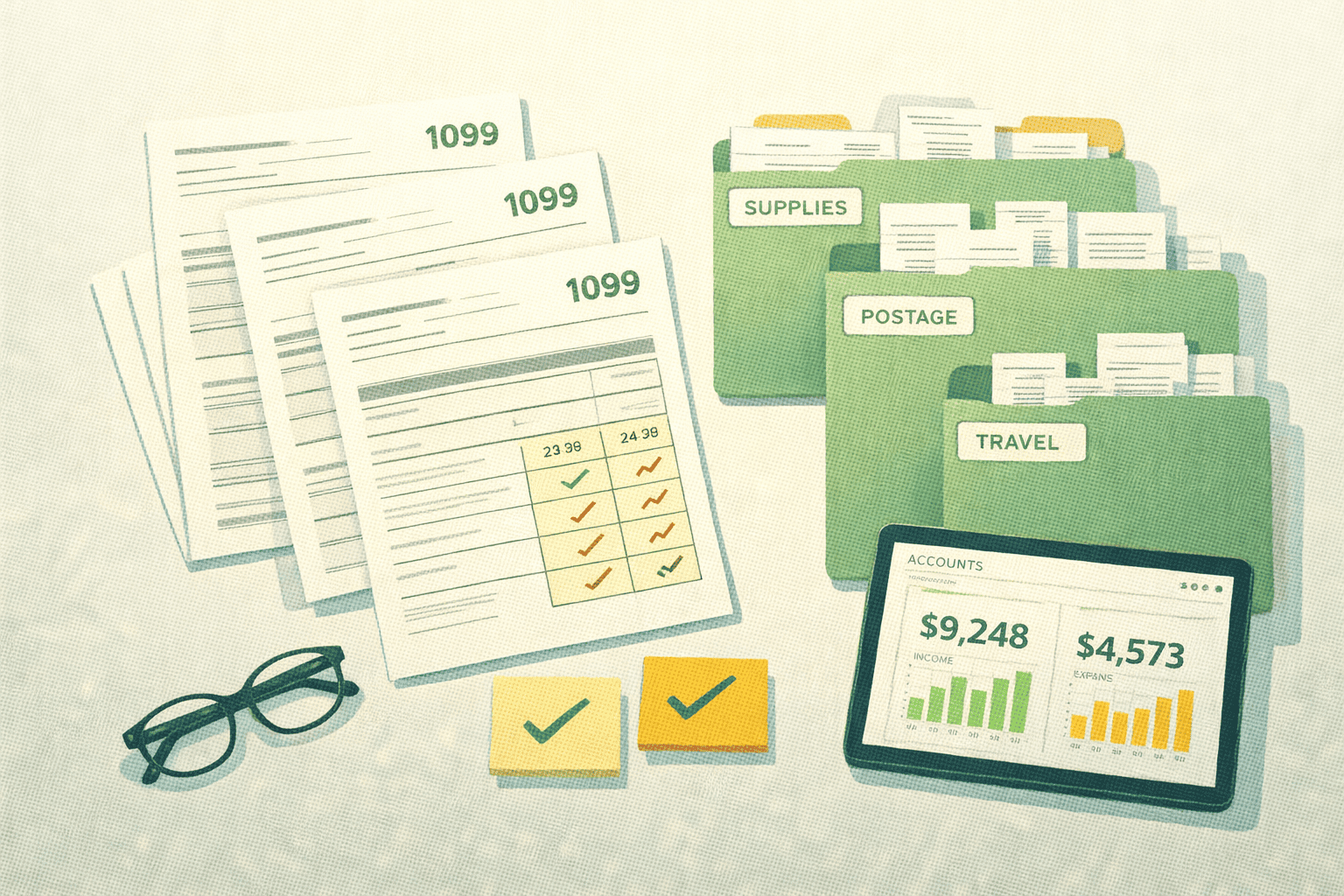
For 2025 returns, payment platforms like PayPal, Venmo, Amazon, and eBay send you a 1099-K if you received $2,500 or more in payments. This form goes to you and to the IRS.
Important: The threshold drops to $600 in 2026. But for this year’s filing, it’s $2,500.
Even if you don’t get a 1099-K, you must report all your income. The IRS has other ways to find out what you earned. They check bank records. They look at platform data. They even monitor social media.
Sales Tax Nexus: A Growing Problem
This trips up more sellers every year. If you hit $100,000 in sales or 200 transactions in a state, you probably have to collect and pay sales tax there. This is called “economic nexus.”
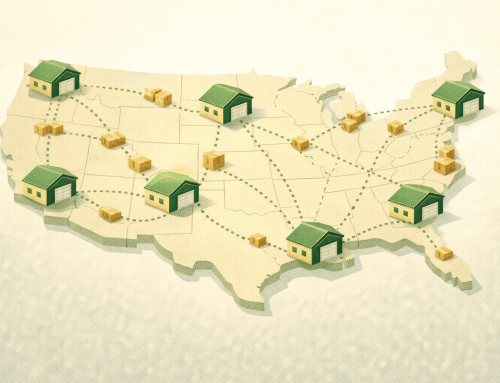
If you use Amazon FBA or any warehouse that stores your products in different states, you might have physical nexus too. That means more states where you owe sales tax.
States are getting more aggressive about this. They send notices. They charge penalties. They add interest. Missing these rules can cost you thousands.
The 6 Biggest Tax Mistakes E-Commerce Sellers Make
After working with hundreds of online sellers, we see the same problems over and over. Here’s what to avoid.
Mistake 1: Not Tracking Cost of Goods Sold
This is your biggest deduction. The cost of the products you sell comes right off the top of your income. But many sellers don’t track it right.
Your COGS includes what you paid for products, shipping to get them to you, packaging, and storage fees. Keep every receipt. Use software to track it. This can save you thousands.
Mistake 2: Missing Quarterly Estimated Taxes
If you’re self-employed, the IRS wants money four times a year. The dates for 2025 taxes were April 15, June 16, September 15, and January 15, 2026.
Miss these, and you pay a penalty. Right now, that penalty rate is 7% per year. It adds up fast.
Good news: There’s a “safe harbor” rule. If you pay at least 100% of what you owed last year (110% if you made over $150,000), you won’t get a penalty. Even if you owe more this year.
Mistake 3: Mixing Personal and Business Money
Use a separate bank account for your business. Use a separate credit card. This makes tracking easy. It also protects you if the IRS asks questions.
When everything is mixed, you miss deductions. You also raise red flags. The IRS gets suspicious when they can’t tell what’s business and what’s personal.
Mistake 4: Forgetting Home Office Deductions
If you run your business from home, you can deduct part of your rent or mortgage, utilities, and internet. The space must be used only for business. A corner of your bedroom doesn’t count. A dedicated office does.
The simple way: Use the standard deduction of $5 per square foot, up to 300 square feet. That’s $1,500 off your taxes with no receipts needed.
Mistake 5: Ignoring Multi-State Sales Tax
We talked about nexus above. But many sellers know they have it and still don’t comply. They think they won’t get caught.
States share data now. They get reports from Amazon, Etsy, and other platforms. They know who is selling into their state. Penalties can be $50 per missed filing plus interest on all the tax you should have paid.
Mistake 6: Not Keeping Good Records
The IRS can audit you for three years. For big mistakes, it’s six years. You need to keep records that long.
Use accounting software like QuickBooks, Xero, or Wave. Connect it to your bank and sales platforms. Download monthly reports. Back everything up to the cloud.
The Penalties for Getting It Wrong
Let’s be clear about what’s at stake.
Late Filing Penalty
If you owe money and file late, the penalty is 5% of what you owe for each month you’re late. It caps at 25%. If you’re more than 60 days late, the minimum penalty is $525 or 100% of what you owe, whichever is less.
Late Payment Penalty
If you file on time but don’t pay, the penalty is 0.5% per month. That also caps at 25%.
Interest
On top of penalties, the IRS charges interest. Right now it’s 7% per year, compounded daily. That means interest on your interest.
A Real Example
Say you owe $10,000 and file 6 months late without paying. Your late filing penalty is $2,500 (25% max). Your late payment penalty adds another $300. Interest adds roughly $350. You now owe over $13,000 instead of $10,000.
That extra $3,000 could have bought a lot of inventory.
Your Step-by-Step Filing Action Plan
Here’s exactly what to do and when to do it.
This Week: Gather Your Documents
You need these items:
- All 1099 forms (1099-K, 1099-NEC, 1099-INT, etc.)
- Sales reports from every platform you sold on
- Records of all inventory purchases
- Shipping costs and supplies receipts
- Bank statements for your business account
- Credit card statements for business expenses
- Home office measurements (if claiming)
- Records of any estimated tax payments you made
Next Week: Reconcile Your Numbers
Make sure everything matches:
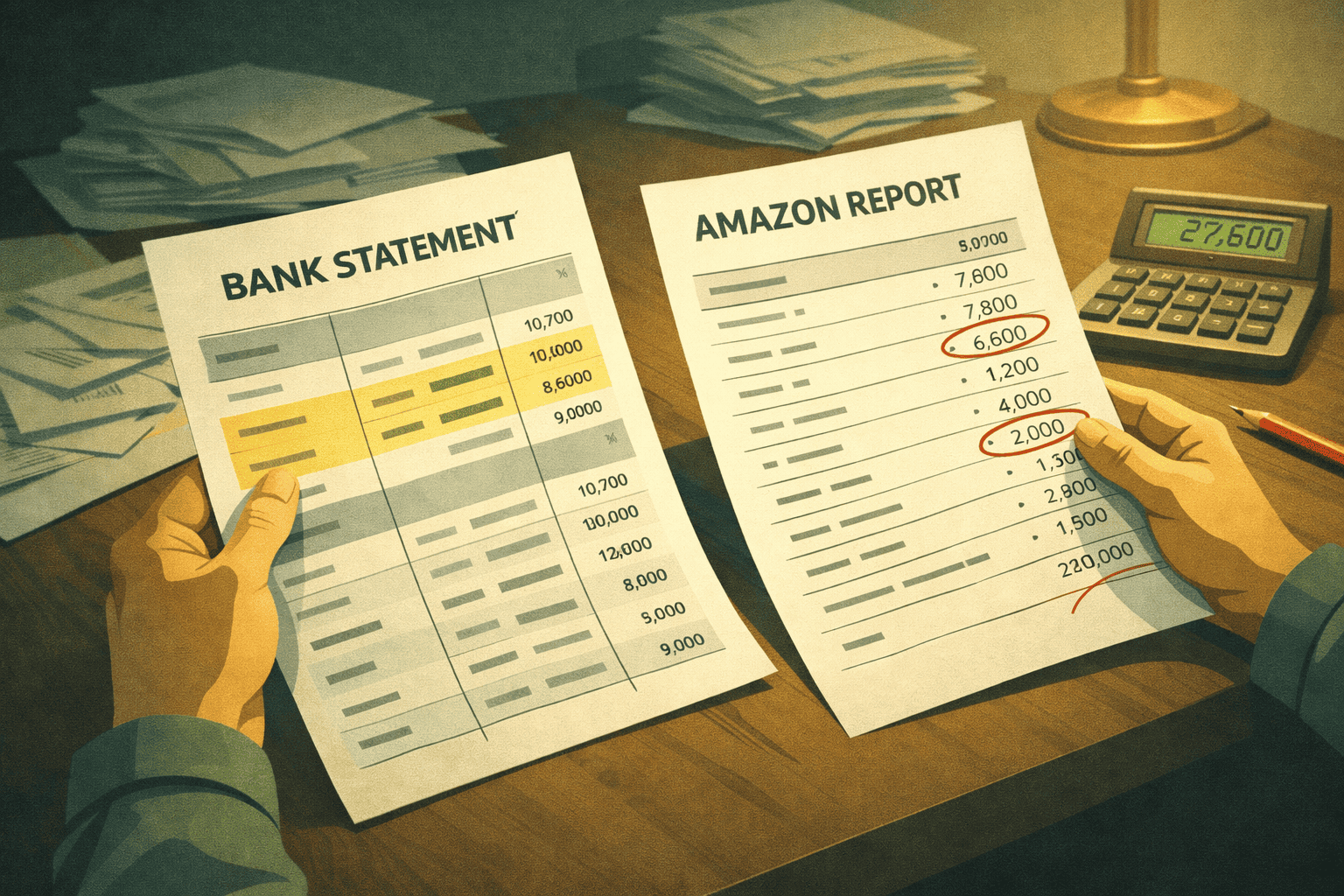
- Compare platform sales reports to your bank deposits
- Match your 1099-K amounts to what you actually received
- Calculate your true cost of goods sold
- List all deductible expenses by category
Before February 15: File Your Return
Filing business income correctly requires special tax forms that are easy to get wrong. Working with a tax professional who understands e-commerce makes a big difference. They know which deductions apply to online sellers and can help you avoid costly mistakes that trigger IRS questions.
After Filing: Track Your Refund
Use the IRS “Where’s My Refund” tool at IRS.gov. You can check your status 24 hours after e-filing. You’ll need your Social Security number, filing status, and exact refund amount.
Important: The IRS is phasing out paper checks. Make sure you have direct deposit set up or you could face delays.

New for 2026: Tax Law Changes That Affect Your Refund
The One Big Beautiful Bill Act passed in July 2025 brought some changes you need to know about.
No Tax on Tips
If you earn tips (up to $25,000), you can deduct them. This phases out at higher incomes. Look for the new Schedule 1-A.
Enhanced Deduction for Seniors
If you’re 65 or older, there’s good news. The OBBBA created a new deduction on top of what already existed. You can now deduct up to $6,000 (single) or $12,000 if both spouses are 65+ and file jointly. This is in addition to the existing senior deduction of $2,000 for singles or $1,600 per spouse. These benefits phase out for incomes over $75,000 (single) or $150,000 (married filing jointly).
Higher Child Tax Credit
The child tax credit went up to $2,200 per child under 17. If you have kids, this could mean a bigger refund.
Higher Standard Deduction
The standard deduction got a 5% boost. For most filers, this means you won’t need to itemize.
What If You Can’t File by April 15?
Life happens. If you need more time, you can file Form 4868 for an automatic six-month extension. This gives you until October 15, 2026.
But here’s the catch: An extension to file is not an extension to pay. If you owe money, you still need to pay by April 15 to avoid penalties.
Estimate what you owe and pay that amount when you file for the extension. Even if it’s not exact, paying something shows good faith and reduces your penalties.
Take Action Today
Tax season waits for no one. Every day you delay is a day longer until you see your refund. It’s another day for identity thieves to act. It’s more stress piling up.
Start gathering your documents today. Make an appointment with a tax professional this week. File by mid-February if you can.
Your future self will thank you when that refund hits your account while everyone else is still scrambling in April.
Need help navigating your e-commerce taxes? At Tall Oak Advisors, we specialize in helping online sellers get every deduction they deserve while staying fully compliant. Contact us today for a free consultation.
Key Dates to Remember
- January 26, 2026: IRS begins accepting returns
- January 31, 2026: Employers and platforms send tax forms
- Early March 2026: Earliest refunds for EITC/CTC filers
- April 15, 2026: Filing and payment deadline
- October 15, 2026: Extended filing deadline
Disclaimer: This article is for informational purposes only and does not constitute legal or tax advice. Tax laws vary by situation. Consult a qualified CPA or tax professional for advice specific to your business.
Take Control of Your Finances Today!
Whether you’re a Reseller (Wholesale, Retail Arbitrage, Online Arbitrage, Dropshipping) or a Brand Owner, managing finances is key to your success. We support eCommerce businesses across major platforms like Amazon, Shopify, eBay, Walmart, Etsy, BigCommerce, and beyond.
See if you qualify for a free strategy session with our team to learn how Tall Oak Advisors can streamline your bookkeeping and ensure accurate tax preparation for your business.
Need a quick quote?
Or explore our range of free resources crafted specifically for eCommerce sellers:
- Business Tax Worksheet
- Frequently Asked Questions About Taxes and Bookkeeping
- Tax Write-Offs Every Amazon and Shopify Seller Should Know
Take the first step toward a stronger financial future and position your business for long-term success.
A Complete Guide for E-Commerce Entrepreneurs
Tax season is here. The IRS started taking returns on January 26, 2026. If you sell online, every day you wait to file could cost you money.
This guide will show you why filing early matters. You will learn what mistakes to avoid. You will see how to get your refund fast. And you will know exactly what steps to take.
Let’s dive in.
Why Every Day Counts for Your Tax Refund
The math is simple. The IRS sends out refunds in the order they get returns. File first, get paid first.
Here’s what the IRS says: Most refunds come within 21 days if you file online and pick direct deposit. That means if you file by the end of January, you could have money in your bank by mid-February.
Wait until April? You might not see your money until May or later.
For online sellers, this matters even more. Tax season hits right when you need cash for spring inventory. That refund could fund your next product launch.
The Real Cost of Waiting
The average tax refund in 2025 was $3,453. That’s real money sitting on the table.
Think about what you could do with that cash in February instead of April:
- Buy inventory before prices go up
- Pay down credit cards charging 20% or more
- Invest in ads for Q1 sales
- Put it in a high-yield savings account earning 4-5%
Identity Theft: The Hidden Danger of Waiting
Here’s something most sellers don’t think about. Criminals file fake tax returns every year. They use stolen Social Security numbers to claim refunds that aren’t theirs.
In 2025, the IRS flagged over 2.1 million returns as possible fraud. That’s 2.1 million people who had to prove they were who they said they were before getting their refund.
The worst part? If a thief files before you do, you can’t file online. Your return gets rejected. Then you have to mail a paper return and wait. The IRS takes an average of 506 days to fix these cases. That’s almost a year and a half.
Filing early beats the criminals to the punch. Once your real return is in, a fake one can’t take its place.
How to Protect Yourself
The IRS offers a free tool called an Identity Protection PIN. This is a six-digit code that only you and the IRS know. Without it, no one can file a return with your Social Security number.
You can sign up at IRS.gov. Do this before you file. It adds an extra layer of safety that could save you months of headaches.
What the IRS Expects from E-Commerce Sellers in 2026
The rules changed. If you sell online, you need to know what the IRS wants to see.
The 1099-K Threshold
For 2025 returns, payment platforms like PayPal, Venmo, Amazon, and eBay send you a 1099-K if you received $2,500 or more in payments. This form goes to you and to the IRS.
Important: The threshold drops to $600 in 2026. But for this year’s filing, it’s $2,500.
Even if you don’t get a 1099-K, you must report all your income. The IRS has other ways to find out what you earned. They check bank records. They look at platform data. They even monitor social media.
Sales Tax Nexus: A Growing Problem
This trips up more sellers every year. If you hit $100,000 in sales or 200 transactions in a state, you probably have to collect and pay sales tax there. This is called “economic nexus.”
If you use Amazon FBA or any warehouse that stores your products in different states, you might have physical nexus too. That means more states where you owe sales tax.
States are getting more aggressive about this. They send notices. They charge penalties. They add interest. Missing these rules can cost you thousands.
The 6 Biggest Tax Mistakes E-Commerce Sellers Make
After working with hundreds of online sellers, we see the same problems over and over. Here’s what to avoid.
Mistake 1: Not Tracking Cost of Goods Sold
This is your biggest deduction. The cost of the products you sell comes right off the top of your income. But many sellers don’t track it right.
Your COGS includes what you paid for products, shipping to get them to you, packaging, and storage fees. Keep every receipt. Use software to track it. This can save you thousands.
Mistake 2: Missing Quarterly Estimated Taxes
If you’re self-employed, the IRS wants money four times a year. The dates for 2025 taxes were April 15, June 16, September 15, and January 15, 2026.
Miss these, and you pay a penalty. Right now, that penalty rate is 7% per year. It adds up fast.
Good news: There’s a “safe harbor” rule. If you pay at least 100% of what you owed last year (110% if you made over $150,000), you won’t get a penalty. Even if you owe more this year.
Mistake 3: Mixing Personal and Business Money
Use a separate bank account for your business. Use a separate credit card. This makes tracking easy. It also protects you if the IRS asks questions.
When everything is mixed, you miss deductions. You also raise red flags. The IRS gets suspicious when they can’t tell what’s business and what’s personal.
Mistake 4: Forgetting Home Office Deductions
If you run your business from home, you can deduct part of your rent or mortgage, utilities, and internet. The space must be used only for business. A corner of your bedroom doesn’t count. A dedicated office does.
The simple way: Use the standard deduction of $5 per square foot, up to 300 square feet. That’s $1,500 off your taxes with no receipts needed.
Mistake 5: Ignoring Multi-State Sales Tax
We talked about nexus above. But many sellers know they have it and still don’t comply. They think they won’t get caught.
States share data now. They get reports from Amazon, Etsy, and other platforms. They know who is selling into their state. Penalties can be $50 per missed filing plus interest on all the tax you should have paid.
Mistake 6: Not Keeping Good Records
The IRS can audit you for three years. For big mistakes, it’s six years. You need to keep records that long.
Use accounting software like QuickBooks, Xero, or Wave. Connect it to your bank and sales platforms. Download monthly reports. Back everything up to the cloud.
The Penalties for Getting It Wrong
Let’s be clear about what’s at stake.
Late Filing Penalty
If you owe money and file late, the penalty is 5% of what you owe for each month you’re late. It caps at 25%. If you’re more than 60 days late, the minimum penalty is $525 or 100% of what you owe, whichever is less.
Late Payment Penalty
If you file on time but don’t pay, the penalty is 0.5% per month. That also caps at 25%.
Interest
On top of penalties, the IRS charges interest. Right now it’s 7% per year, compounded daily. That means interest on your interest.
A Real Example
Say you owe $10,000 and file 6 months late without paying. Your late filing penalty is $2,500 (25% max). Your late payment penalty adds another $300. Interest adds roughly $350. You now owe over $13,000 instead of $10,000.
That extra $3,000 could have bought a lot of inventory.
Your Step-by-Step Filing Action Plan
Here’s exactly what to do and when to do it.
This Week: Gather Your Documents
You need these items:
- All 1099 forms (1099-K, 1099-NEC, 1099-INT, etc.)
- Sales reports from every platform you sold on
- Records of all inventory purchases
- Shipping costs and supplies receipts
- Bank statements for your business account
- Credit card statements for business expenses
- Home office measurements (if claiming)
- Records of any estimated tax payments you made
Next Week: Reconcile Your Numbers
Make sure everything matches:
- Compare platform sales reports to your bank deposits
- Match your 1099-K amounts to what you actually received
- Calculate your true cost of goods sold
- List all deductible expenses by category
Before February 15: File Your Return
Filing business income correctly requires special tax forms that are easy to get wrong. Working with a tax professional who understands e-commerce makes a big difference. They know which deductions apply to online sellers and can help you avoid costly mistakes that trigger IRS questions.
After Filing: Track Your Refund
Use the IRS “Where’s My Refund” tool at IRS.gov. You can check your status 24 hours after e-filing. You’ll need your Social Security number, filing status, and exact refund amount.
Important: The IRS is phasing out paper checks. Make sure you have direct deposit set up or you could face delays.
New for 2026: Tax Law Changes That Affect Your Refund
The One Big Beautiful Bill Act passed in July 2025 brought some changes you need to know about.
No Tax on Tips
If you earn tips (up to $25,000), you can deduct them. This phases out at higher incomes. Look for the new Schedule 1-A.
Enhanced Deduction for Seniors
If you’re 65 or older, there’s good news. The OBBBA created a new deduction on top of what already existed. You can now deduct up to $6,000 (single) or $12,000 if both spouses are 65+ and file jointly. This is in addition to the existing senior deduction of $2,000 for singles or $1,600 per spouse. These benefits phase out for incomes over $75,000 (single) or $150,000 (married filing jointly).
Higher Child Tax Credit
The child tax credit went up to $2,200 per child under 17. If you have kids, this could mean a bigger refund.
Higher Standard Deduction
The standard deduction got a 5% boost. For most filers, this means you won’t need to itemize.
What If You Can’t File by April 15?
Life happens. If you need more time, you can file Form 4868 for an automatic six-month extension. This gives you until October 15, 2026.
But here’s the catch: An extension to file is not an extension to pay. If you owe money, you still need to pay by April 15 to avoid penalties.
Estimate what you owe and pay that amount when you file for the extension. Even if it’s not exact, paying something shows good faith and reduces your penalties.
Take Action Today
Tax season waits for no one. Every day you delay is a day longer until you see your refund. It’s another day for identity thieves to act. It’s more stress piling up.
Start gathering your documents today. Make an appointment with a tax professional this week. File by mid-February if you can.
Your future self will thank you when that refund hits your account while everyone else is still scrambling in April.
Need help navigating your e-commerce taxes? At Tall Oak Advisors, we specialize in helping online sellers get every deduction they deserve while staying fully compliant. Contact us today for a free consultation.
Key Dates to Remember
- January 26, 2026: IRS begins accepting returns
- January 31, 2026: Employers and platforms send tax forms
- Early March 2026: Earliest refunds for EITC/CTC filers
- April 15, 2026: Filing and payment deadline
- October 15, 2026: Extended filing deadline
Disclaimer: This article is for informational purposes only and does not constitute legal or tax advice. Tax laws vary by situation. Consult a qualified CPA or tax professional for advice specific to your business.
Take Control of Your Finances Today!
Whether you’re a Reseller (Wholesale, Retail Arbitrage, Online Arbitrage, Dropshipping) or a Brand Owner, managing finances is key to your success. We support eCommerce businesses across major platforms like Amazon, Shopify, eBay, Walmart, Etsy, BigCommerce, and beyond.
See if you qualify for a free strategy session with our team to learn how Tall Oak Advisors can streamline your bookkeeping and ensure accurate tax preparation for your business.
Need a quick quote?
Or explore our range of free resources crafted specifically for eCommerce sellers:
- 7 Profit Crushing Mistakes That Will Destroy Your eCommerce Business
- Business Tax Worksheet
- Frequently Asked Questions About Taxes and Bookkeeping
- Tax Write-Offs Every Amazon and Shopify Seller Should Know
Take the first step toward a stronger financial future and position your business for long-term success.