

A Guide for E-Commerce Entrepreneurs | Tall Oak Advisors
Tax season is coming. You can feel it. That knot in your stomach. The stack of receipts you meant to sort. The spreadsheet you stopped updating in March.
Smart e-commerce sellers do not wait until April to think about taxes. They book free consultations now. They get quotes before the stress hits. And they sleep better because of it.
This guide shows you why acting early changes everything. You will learn what the IRS expects from online sellers in 2026. You will see real examples of sellers who waited too long. And you will get a clear action plan to protect your business.
The New Tax Reality for Online Sellers
E-commerce taxes changed a lot in recent years. The rules are stricter. The IRS has better tools. And the penalties hurt more than ever.
What the IRS Knows About You
Payment platforms like PayPal, Stripe, and Amazon now report your sales to the IRS. For 2024, they sent 1099-K forms to sellers who made more than $5,000. For 2025 and beyond, the threshold increased to $20,000 with 200 transactions after Congress passed new legislation.
But what matters the most: the IRS matches these reports to your tax return. If the numbers do not match, they send you a letter. This letter is called a CP2000 notice. It means they found a problem. And you have to explain it.
In fiscal year 2025, the IRS recovered $77.6 billion in unpaid taxes. That is up 13.6% from the year before. They started 3.5 million compliance actions. Many of these came from automated systems that match income reports to tax returns.
Sales Tax Across State Lines
Since the 2018 Wayfair case, states can make you collect sales tax even if you never set foot there. This is called economic nexus. Most states set the threshold at $100,000 in sales or 200 transactions.
A recent study found that small remote sellers spend over $1,500 per year just managing multi-state sales tax. Larger companies spend about $500. That gap hurts small businesses the most.
If you use Amazon FBA, things get even more complex. Amazon stores your products in warehouses across the country. This can create nexus in states you never thought about. Many sellers do not realize they have tax obligations in 10 or more states.
Real Stories: What Happens When Sellers Wait
These examples come from real sellers. The names are changed, but the numbers are real.
Trevin: The $30,000 Mistake
Trevin sold over seven figures on Amazon. He thought his business was doing great. His bank balance looked healthy. But his books were a mess.
When tax time came, he scrambled to pull everything together. He missed deductions. He miscategorized expenses. He overpaid his taxes by $30,000.
“If I would have just done it right from the get-go, I would have literally saved tens of thousands of dollars.”
Maya: The 1099 Mismatch
Maya ran an S Corp in San Jose. She made $320,000. Her bookkeeper filed 1099s for only half her contractors. The other four contractors earned between $6,000 and $11,000 each.
Early the next year, she got an audit letter from California. The state had already matched her payroll records to her tax return. The missing 1099s raised red flags. She faced both IRS and state audits at the same time.
Marcus: The LLC Owner Who Missed Filings
Marcus owned rental properties worth $2 million through his LLC. He got busy and missed two years of state filings. He thought he would catch up later.
Then he got an audit notice. Final cost: $5,400 in penalties plus legal fees. If he had filed on time, even late, he would have paid around $1,600 with no audit.
The Five Biggest Mistakes E-Commerce Sellers Make
After working with hundreds of online sellers, we see the same errors over and over. Here are the top five.
Mistake #1: Bank Balance Accounting
Many sellers check their bank account and think they know their profit. If the balance is up, business must be good. Right?
Wrong. Your bank balance hides the truth. It does not show fees Amazon already took. It does not show returns that will hit next month. It does not show inventory you paid for but have not sold yet.
Mistake #2: Treating Amazon Payouts as Revenue
Amazon sends you a deposit every two weeks. Many sellers record that number as their sales. This is a big problem.
Your 1099-K shows gross sales. That includes product sales, shipping credits, gift wrap credits, and more. Amazon already took out fees, returns, and other deductions before paying you. If you only report the deposit, your numbers will not match what the IRS has on file.
This mismatch is exactly what triggers IRS audits.
Mistake #3: Mixing Personal and Business Finances
Using a personal credit card for inventory? Paying personal bills from your business account? This creates chaos at tax time.
You cannot see your true business profit. You cannot prove deductions if audited. And if you ever want to sell your business, messy finances will kill the deal or slash your price.
Mistake #4: Ignoring Returns and Refunds
Amazon has a flexible return policy. Customers send products back in all conditions. If you skip recording returns, your profit numbers are wrong.
A $500 return you miss adds $500 to your reported income. Over a year, these add up to thousands of dollars in fake profit you will pay taxes on.
Mistake #5: Waiting Until Tax Season
This is the biggest mistake of all. When you wait until March or April, you face a wall of problems: missing receipts, forgotten expenses, confused records, and no time to fix anything.
Worse, all the good accountants are booked. The CPA shortage has hit crisis levels. The accounting workforce has shrunk by over 17% since 2020. More than 300,000 professionals left the field. Firms now take four to five weeks to fill open roles.
When tax season hits, many CPA firms turn away new clients. They simply do not have the staff. If you call ten CPA offices in April asking for help, most will say no.
Key Deadlines You Cannot Miss
Here are the dates that matter for e-commerce sellers in 2025 and 2026.
January 15, 2026: Q4 2025 estimated tax payment due. Amazon 1099-K forms available for eligible sellers
January 31, 2026: W-2s and 1099-NEC forms due to contractors
March 16, 2026: S Corporation and Partnership returns due (Form 1120-S and Form 1065)
April 15, 2026: Individual and C Corporation returns due, Q1 2026 estimated taxes due
Miss these dates and you face penalties. The failure-to-file penalty is 5% of unpaid taxes per month, up to 25%. The minimum penalty for returns filed over 60 days late is $525 or the full tax due, whichever is less.
For S Corps and partnerships, late filing costs $255 per month, per partner or shareholder. A four-partner LLC that files two months late owes $2,040 in penalties alone.

Your Step-by-Step Action Plan
Follow these steps to avoid the stress and save money.
Step 1: Separate Your Finances (Do This Today)
If you have not already, open a business bank account. Get a business credit card. Stop mixing personal and business money. This one change makes everything else easier.
Step 2: Gather Your Documents (This Week)
Pull together: Amazon settlement reports (all of 2025), 1099-K forms from all platforms, bank statements, credit card statements, receipts for business expenses, inventory purchase records, and any contractor payments.
Step 3: Reconcile Your Numbers (This Month)
Your 1099-K gross amount must match your reported income. Use Amazon’s Date Range Summary Report, not just your payout deposits. Include all income lines: product sales, shipping credits, promotional rebates. Then record all expense lines: fees, advertising, refunds, adjustments.
Step 4: Check Your Sales Tax Nexus (This Month)
Make a list of every state where you have sales, inventory, or employees. Check each state’s economic nexus threshold. Most use $100,000 in sales or 200 transactions. Register for a sales tax permit in every state where you have nexus.
Step 5: Book Your Tax Consultation (Now)
This is the most important step. A tax quote costs you nothing but could save you thousands.
When you book early, you get attention. Your tax professional has time to review your situation. They can find deductions you would miss. They can spot problems before they become audits.
Wait until April, and you get rushed service from overworked staff. Or worse, you get turned away with no help at all.

What a Tax Quote Actually Includes
When you get a tax quote from a firm that understands e-commerce, you learn exactly where you stand. A good consultation covers:
Your current tax situation: What do you owe? What have you already paid? Are you on track?
Your sales tax exposure: Which states do you have nexus in? Are you registered where you need to be?
Deductions you might be missing: Home office, software subscriptions, advertising costs, shipping supplies, professional services.
Potential red flags: Are there mismatches that could trigger an audit? Can you fix them before filing?
An estimated timeline and cost: What will it take to get your taxes done right?
This information is gold. It lets you make smart decisions about your business and your money.
Why Early Filing Saves You Money
Beyond avoiding stress, early action puts money in your pocket.
Better rates: Many CPAs offer early filing discounts of up to 10%. They have more flexibility in January than in April.
Faster refunds: If you are owed a refund, filing early gets your money sooner. The IRS processes early returns faster. The average refund in 2025 was $3,453.
More deductions: When you rush, you miss deductions. When you have time, your tax professional can dig deeper and find every legitimate write-off.
Time to fix problems: If something is wrong, you need time to gather documents, make corrections, and get it right. April does not give you that time.
Protection from fraud: Filing early protects you from identity theft. The IRS flags duplicate filings. If a scammer files a fake return in your name, your real return gets stuck in review. Beat them to it.
The Choice Is Yours: Quote or Stress
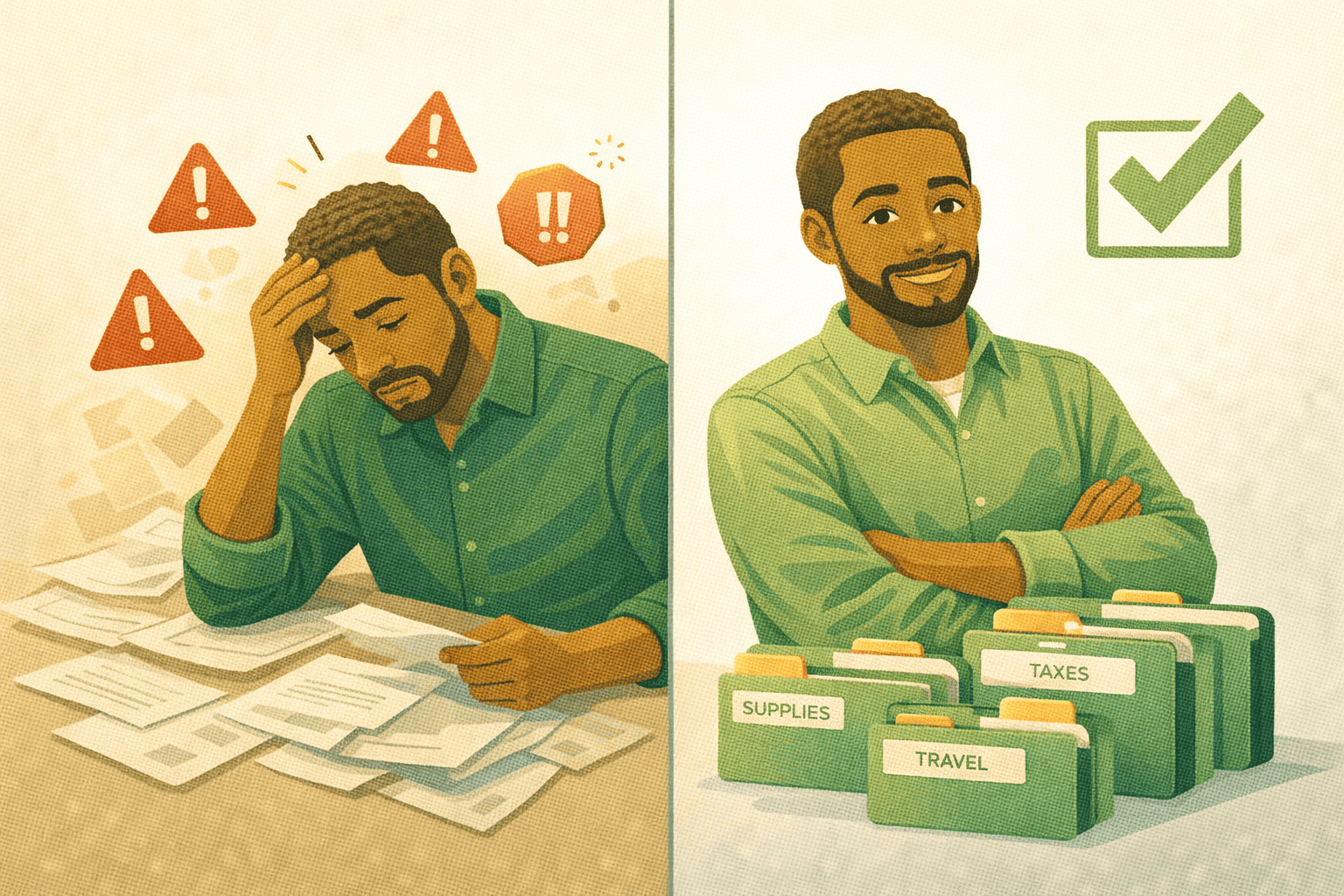
You have two paths. One leads to April panic, missed deductions, possible penalties, and that awful knot in your stomach. The other leads to a clear plan, peace of mind, and more money in your pocket.
Smart sellers choose the second path. They book their free tax consultations early. They get quotes before the rush. They sleep better knowing their taxes are handled.
The CPA shortage is real. Over 75% of current CPAs are nearing retirement. The pipeline of new accountants keeps shrinking. Every year, it gets harder to find good help when you need it.
Do not wait until the doors are closed.
Get Your Free Tax Quote Today
At Tall Oak Advisors, we specialize in e-commerce tax compliance. We understand Amazon FBA fees. We know multi-state sales tax inside and out. We have helped hundreds of online sellers avoid costly mistakes and keep more of their profits.
Our free tax consultation gives you a clear picture of where you stand. No obligation. No pressure. Just honest advice from experts who understand your business.
Book your free consultation now before the tax season rush begins.
Your future self will thank you.
Disclaimer: This content is for informational purposes only and does not constitute legal or tax advice. Consult a qualified tax professional for guidance specific to your situation.
Take Control of Your Finances Today!
Whether you’re a Reseller (Wholesale, Retail Arbitrage, Online Arbitrage, Dropshipping) or a Brand Owner, managing finances is key to your success. We support eCommerce businesses across major platforms like Amazon, Shopify, eBay, Walmart, Etsy, BigCommerce, and beyond.
See if you qualify for a free strategy session with our team to learn how Tall Oak Advisors can streamline your bookkeeping and ensure accurate tax preparation for your business.
Need a quick quote?
Or explore our range of free resources crafted specifically for eCommerce sellers:
- Business Tax Worksheet
- Frequently Asked Questions About Taxes and Bookkeeping
- Tax Write-Offs Every Amazon and Shopify Seller Should Know
Take the first step toward a stronger financial future and position your business for long-term success.
A Guide for E-Commerce Entrepreneurs | Tall Oak Advisors
Tax season is coming. You can feel it. That knot in your stomach. The stack of receipts you meant to sort. The spreadsheet you stopped updating in March.
Smart e-commerce sellers do not wait until April to think about taxes. They book free consultations now. They get quotes before the stress hits. And they sleep better because of it.
This guide shows you why acting early changes everything. You will learn what the IRS expects from online sellers in 2026. You will see real examples of sellers who waited too long. And you will get a clear action plan to protect your business.
The New Tax Reality for Online Sellers
E-commerce taxes changed a lot in recent years. The rules are stricter. The IRS has better tools. And the penalties hurt more than ever.
What the IRS Knows About You
Payment platforms like PayPal, Stripe, and Amazon now report your sales to the IRS. For 2024, they sent 1099-K forms to sellers who made more than $5,000. For 2025 and beyond, the threshold increased to $20,000 with 200 transactions after Congress passed new legislation.
But what matters the most: the IRS matches these reports to your tax return. If the numbers do not match, they send you a letter. This letter is called a CP2000 notice. It means they found a problem. And you have to explain it.
In fiscal year 2025, the IRS recovered $77.6 billion in unpaid taxes. That is up 13.6% from the year before. They started 3.5 million compliance actions. Many of these came from automated systems that match income reports to tax returns.
Sales Tax Across State Lines
Since the 2018 Wayfair case, states can make you collect sales tax even if you never set foot there. This is called economic nexus. Most states set the threshold at $100,000 in sales or 200 transactions.
A recent study found that small remote sellers spend over $1,500 per year just managing multi-state sales tax. Larger companies spend about $500. That gap hurts small businesses the most.
If you use Amazon FBA, things get even more complex. Amazon stores your products in warehouses across the country. This can create nexus in states you never thought about. Many sellers do not realize they have tax obligations in 10 or more states.
Real Stories: What Happens When Sellers Wait
These examples come from real sellers. The names are changed, but the numbers are real.
Trevin: The $30,000 Mistake
Trevin sold over seven figures on Amazon. He thought his business was doing great. His bank balance looked healthy. But his books were a mess.
When tax time came, he scrambled to pull everything together. He missed deductions. He miscategorized expenses. He overpaid his taxes by $30,000.
“If I would have just done it right from the get-go, I would have literally saved tens of thousands of dollars.”
Maya: The 1099 Mismatch
Maya ran an S Corp in San Jose. She made $320,000. Her bookkeeper filed 1099s for only half her contractors. The other four contractors earned between $6,000 and $11,000 each.
Early the next year, she got an audit letter from California. The state had already matched her payroll records to her tax return. The missing 1099s raised red flags. She faced both IRS and state audits at the same time.
Marcus: The LLC Owner Who Missed Filings
Marcus owned rental properties worth $2 million through his LLC. He got busy and missed two years of state filings. He thought he would catch up later.
Then he got an audit notice. Final cost: $5,400 in penalties plus legal fees. If he had filed on time, even late, he would have paid around $1,600 with no audit.
The Five Biggest Mistakes E-Commerce Sellers Make
After working with hundreds of online sellers, we see the same errors over and over. Here are the top five.
Mistake #1: Bank Balance Accounting
Many sellers check their bank account and think they know their profit. If the balance is up, business must be good. Right?
Wrong. Your bank balance hides the truth. It does not show fees Amazon already took. It does not show returns that will hit next month. It does not show inventory you paid for but have not sold yet.
Mistake #2: Treating Amazon Payouts as Revenue
Amazon sends you a deposit every two weeks. Many sellers record that number as their sales. This is a big problem.
Your 1099-K shows gross sales. That includes product sales, shipping credits, gift wrap credits, and more. Amazon already took out fees, returns, and other deductions before paying you. If you only report the deposit, your numbers will not match what the IRS has on file.
This mismatch is exactly what triggers IRS audits.
Mistake #3: Mixing Personal and Business Finances
Using a personal credit card for inventory? Paying personal bills from your business account? This creates chaos at tax time.
You cannot see your true business profit. You cannot prove deductions if audited. And if you ever want to sell your business, messy finances will kill the deal or slash your price.
Mistake #4: Ignoring Returns and Refunds
Amazon has a flexible return policy. Customers send products back in all conditions. If you skip recording returns, your profit numbers are wrong.
A $500 return you miss adds $500 to your reported income. Over a year, these add up to thousands of dollars in fake profit you will pay taxes on.
Mistake #5: Waiting Until Tax Season
This is the biggest mistake of all. When you wait until March or April, you face a wall of problems: missing receipts, forgotten expenses, confused records, and no time to fix anything.
Worse, all the good accountants are booked. The CPA shortage has hit crisis levels. The accounting workforce has shrunk by over 17% since 2020. More than 300,000 professionals left the field. Firms now take four to five weeks to fill open roles.
When tax season hits, many CPA firms turn away new clients. They simply do not have the staff. If you call ten CPA offices in April asking for help, most will say no.
Key Deadlines You Cannot Miss
Here are the dates that matter for e-commerce sellers in 2025 and 2026.
January 15, 2026: Q4 2025 estimated tax payment due. Amazon 1099-K forms available for eligible sellers
January 31, 2026: W-2s and 1099-NEC forms due to contractors
March 16, 2026: S Corporation and Partnership returns due (Form 1120-S and Form 1065)
April 15, 2026: Individual and C Corporation returns due, Q1 2026 estimated taxes due
Miss these dates and you face penalties. The failure-to-file penalty is 5% of unpaid taxes per month, up to 25%. The minimum penalty for returns filed over 60 days late is $525 or the full tax due, whichever is less.
For S Corps and partnerships, late filing costs $255 per month, per partner or shareholder. A four-partner LLC that files two months late owes $2,040 in penalties alone.
Your Step-by-Step Action Plan
Follow these steps to avoid the stress and save money.
Step 1: Separate Your Finances (Do This Today)
If you have not already, open a business bank account. Get a business credit card. Stop mixing personal and business money. This one change makes everything else easier.
Step 2: Gather Your Documents (This Week)
Pull together: Amazon settlement reports (all of 2025), 1099-K forms from all platforms, bank statements, credit card statements, receipts for business expenses, inventory purchase records, and any contractor payments.
Step 3: Reconcile Your Numbers (This Month)
Your 1099-K gross amount must match your reported income. Use Amazon’s Date Range Summary Report, not just your payout deposits. Include all income lines: product sales, shipping credits, promotional rebates. Then record all expense lines: fees, advertising, refunds, adjustments.
Step 4: Check Your Sales Tax Nexus (This Month)
Make a list of every state where you have sales, inventory, or employees. Check each state’s economic nexus threshold. Most use $100,000 in sales or 200 transactions. Register for a sales tax permit in every state where you have nexus.
Step 5: Book Your Tax Consultation (Now)
This is the most important step. A tax quote costs you nothing but could save you thousands.
When you book early, you get attention. Your tax professional has time to review your situation. They can find deductions you would miss. They can spot problems before they become audits.
Wait until April, and you get rushed service from overworked staff. Or worse, you get turned away with no help at all.
What a Tax Quote Actually Includes
When you get a tax quote from a firm that understands e-commerce, you learn exactly where you stand. A good consultation covers:
Your current tax situation: What do you owe? What have you already paid? Are you on track?
Your sales tax exposure: Which states do you have nexus in? Are you registered where you need to be?
Deductions you might be missing: Home office, software subscriptions, advertising costs, shipping supplies, professional services.
Potential red flags: Are there mismatches that could trigger an audit? Can you fix them before filing?
An estimated timeline and cost: What will it take to get your taxes done right?
This information is gold. It lets you make smart decisions about your business and your money.
Why Early Filing Saves You Money
Beyond avoiding stress, early action puts money in your pocket.
Better rates: Many CPAs offer early filing discounts of up to 10%. They have more flexibility in January than in April.
Faster refunds: If you are owed a refund, filing early gets your money sooner. The IRS processes early returns faster. The average refund in 2025 was $3,453.
More deductions: When you rush, you miss deductions. When you have time, your tax professional can dig deeper and find every legitimate write-off.
Time to fix problems: If something is wrong, you need time to gather documents, make corrections, and get it right. April does not give you that time.
Protection from fraud: Filing early protects you from identity theft. The IRS flags duplicate filings. If a scammer files a fake return in your name, your real return gets stuck in review. Beat them to it.
The Choice Is Yours: Quote or Stress
You have two paths. One leads to April panic, missed deductions, possible penalties, and that awful knot in your stomach. The other leads to a clear plan, peace of mind, and more money in your pocket.
Smart sellers choose the second path. They book their free tax consultations early. They get quotes before the rush. They sleep better knowing their taxes are handled.
The CPA shortage is real. Over 75% of current CPAs are nearing retirement. The pipeline of new accountants keeps shrinking. Every year, it gets harder to find good help when you need it.
Do not wait until the doors are closed.
Get Your Free Tax Quote Today
At Tall Oak Advisors, we specialize in e-commerce tax compliance. We understand Amazon FBA fees. We know multi-state sales tax inside and out. We have helped hundreds of online sellers avoid costly mistakes and keep more of their profits.
Our free tax consultation gives you a clear picture of where you stand. No obligation. No pressure. Just honest advice from experts who understand your business.
Book your free consultation now before the tax season rush begins.
Your future self will thank you.
Disclaimer: This content is for informational purposes only and does not constitute legal or tax advice. Consult a qualified tax professional for guidance specific to your situation.
Take Control of Your Finances Today!
Whether you’re a Reseller (Wholesale, Retail Arbitrage, Online Arbitrage, Dropshipping) or a Brand Owner, managing finances is key to your success. We support eCommerce businesses across major platforms like Amazon, Shopify, eBay, Walmart, Etsy, BigCommerce, and beyond.
See if you qualify for a free strategy session with our team to learn how Tall Oak Advisors can streamline your bookkeeping and ensure accurate tax preparation for your business.
Need a quick quote?
Or explore our range of free resources crafted specifically for eCommerce sellers:
- 7 Profit Crushing Mistakes That Will Destroy Your eCommerce Business
- Business Tax Worksheet
- Frequently Asked Questions About Taxes and Bookkeeping
- Tax Write-Offs Every Amazon and Shopify Seller Should Know
Take the first step toward a stronger financial future and position your business for long-term success.