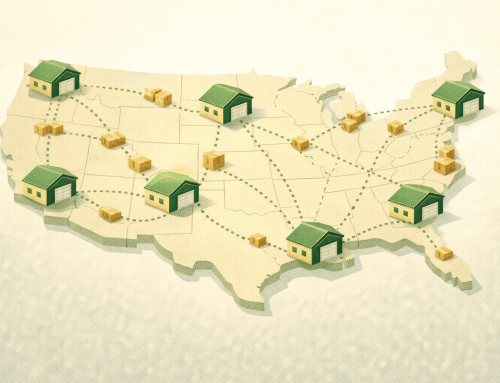


You’re scaling your e-commerce business. New products. New platforms. More revenue. Feels like winning, right?
But here’s what no one tells you: expansion triggers hidden taxes, new state filings, and costs you never budgeted for.
Many sellers hit a ceiling with one product line or one sales channel. They ask: how do I grow from here?
The answer lies in expansion. New product types. More platforms. More customers. More money.
But here’s the catch. Each move brings new tax rules. New compliance. New costs you won’t see coming. Without a plan, you could end up owing money you never expected.
This guide walks you through both types of growth. Real tax laws. Real examples from sellers who did it right. And the mistakes that trip people up.
By the end, you’ll have a clear path forward—steps to take, forms to file, and costs to plan for.
Part 1: Understanding Your Expansion Options
What Does Product Category Expansion Mean?
Product category expansion means selling new types of items. Say you sell phone cases right now. Adding screen protectors is a small step. Adding wireless chargers is a bigger step. Adding clothing is an even bigger jump.
Each new category brings new things to think about. You need new suppliers. You need to learn new shipping rules. You may need new storage space. Some products have special tax rules too.
The fashion market hit over one trillion dollars in online sales in 2024. Electronics came in second. Home goods and health items are growing fast too. These numbers show where buyers are spending money.
What Does Sales Channel Expansion Mean?
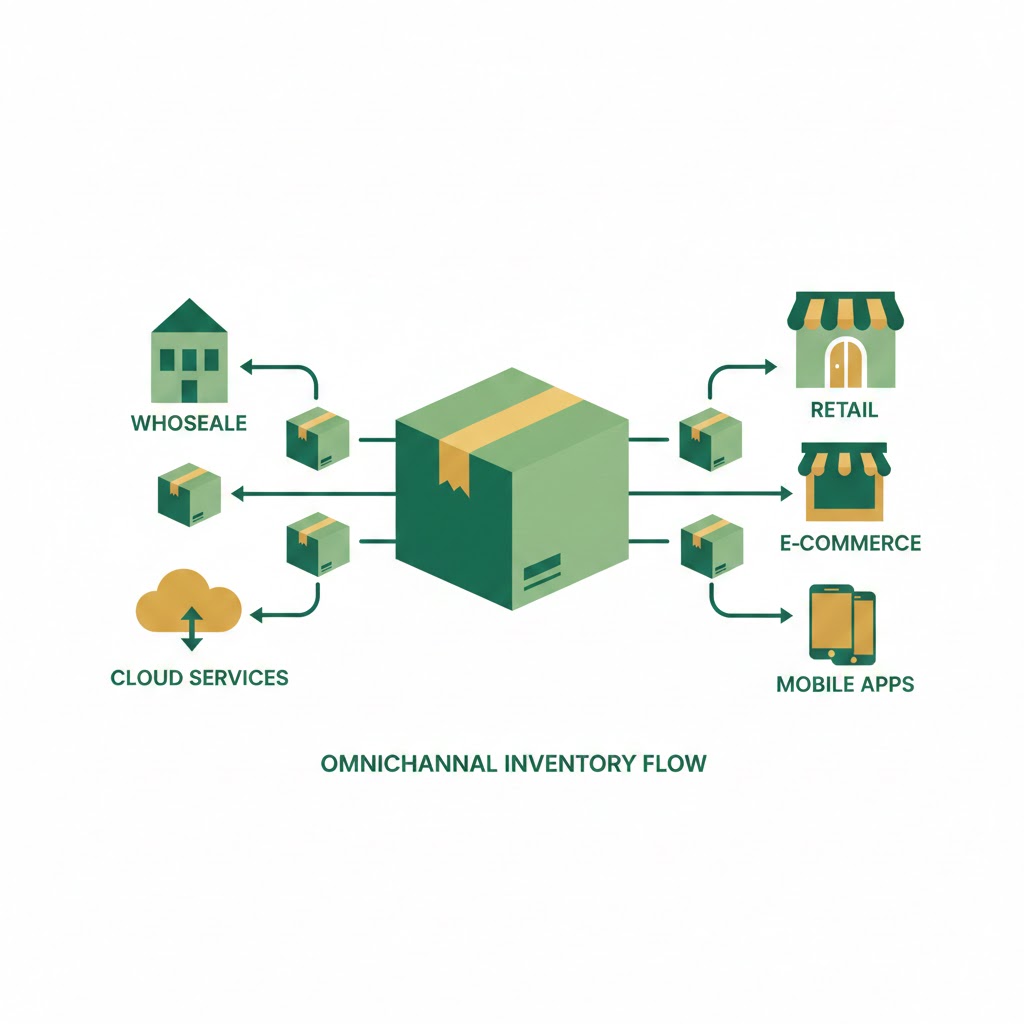
Sales channel expansion means selling in more places. If you only sell on Amazon today, you could add Walmart. You could open your own website. You could try TikTok Shop or Etsy.
In 2024, online marketplaces handled 67 percent of all global online sales. That is up from 40 percent in 2014. More buyers are using more platforms. Meeting them where they shop makes sense.
Each platform has its own rules. Each has its own fees. Each may create new tax duties for your business. We will cover all of this.
Why Both Types of Growth Matter
Relying on one product or one platform is risky. If Amazon changes its rules tomorrow, your whole business could suffer. If your product goes out of style, you have nothing else to sell.
Smart sellers build on many pillars. They sell multiple product types. They sell on multiple platforms. This way, if one area slows down, the others keep money coming in.
Research shows that 61 percent of shoppers look at more than one marketplace before they buy. If you are only on one platform, you are missing customers who prefer to shop elsewhere.
Part 2: Tax Laws You Must Understand
Sales Tax and Economic Nexus: The Big Picture
Here is a term you need to know: economic nexus. It sounds complex, but the idea is simple. If you sell enough in a state, you have to collect sales tax there. This is true even if you have no office or warehouse in that state.
This rule comes from a 2018 Supreme Court case called South Dakota v. Wayfair. Before that case, you only had to collect sales tax in states where you had a physical presence. Now, selling to customers in a state can be enough.
Most states use a threshold of $100,000 in sales per year. If you cross that line, you must register in that state, collect tax from buyers, and send that tax to the state. Some states also count the number of sales you make.
Key Threshold Examples for 2025
| State | Sales Threshold | Transaction Threshold |
|---|---|---|
| Most States | $100,000 | No longer required |
| California | $500,000 | None |
| Texas | $500,000 | None |
| New York | $500,000 | 100 transactions |
Good news: as of July 2025, 15 states have dropped the transaction threshold entirely. This makes things simpler. You only need to track your dollar sales, not the number of orders.
Five states have no sales tax at all: Oregon, Delaware, Alaska, Montana, and New Hampshire. If all your customers lived in those states, you would not need to worry about sales tax. But most sellers have customers across the country.
How Marketplace Facilitator Laws Help You
Here is some relief. Most states now have marketplace facilitator laws. These laws put the tax burden on the platform, not on you.
If you sell on Amazon, Amazon collects the sales tax from your buyer. Amazon sends that tax to the state. You do not have to do anything extra for those sales.
The same is true for Walmart, Etsy, eBay, TikTok Shop, and most other major platforms. They handle the tax math and the payments.
But watch out. If you also sell on your own website, those sales are on you. You must collect and pay the tax yourself. Many sellers forget this when they expand to direct sales.
Also note: some states count your marketplace sales toward your nexus threshold. Others do not. This matters when you track whether you need to register in a state for your direct website sales.
Inventory Creates Physical Nexus
Economic nexus is about your sales volume. Physical nexus is about where your stuff is located.
If you use Amazon FBA, your products sit in Amazon warehouses across the country. That inventory creates physical nexus in each state where Amazon stores your goods.
This can trigger more than just sales tax duties. Some states may want you to file corporate income tax returns too. The rules vary by state.
When you expand to new channels or new products, think about where your inventory will live. More warehouses in more states means more filing duties.
Income Tax: Federal Requirements
The IRS wants its share of your profits. As your business grows, you will likely owe more federal income tax. Here are the key rules:
- If you run your e-commerce business as a sole owner, you report income on Schedule C of your Form 1040.
- LLCs with one owner also use Schedule C. LLCs with multiple owners file Form 1065.
- S corporations file Form 1120-S. C corporations file Form 1120.
- If you expect to owe more than $1,000 in taxes, you must make quarterly estimated payments.
Missing quarterly payments leads to penalties and interest. Set aside 25 to 30 percent of your profits throughout the year to stay ahead.
Form 1099-K: Platform Reporting
When you sell on platforms like Amazon, eBay, or Etsy, they report your sales to the IRS. They send you Form 1099-K if you cross certain limits.
The IRS has been lowering these limits. If you sell on multiple platforms, you may get multiple 1099-K forms. You must report all income on your tax return, even if you do not get a form.
The 1099-K shows gross sales. This includes shipping fees, sales tax collected, and refunds. It does not show your actual profit. You must track your costs separately to calculate your true income.
Inventory Accounting: FIFO vs. LIFO
When you add new product categories, you add more inventory. How you value that inventory affects your taxes.
The IRS allows three main methods:
- FIFO (First In, First Out): This assumes you sell your oldest items first. In times of rising prices, FIFO gives you a lower cost of goods sold. This means higher profits and higher taxes.
- LIFO (Last In, First Out): This assumes you sell your newest items first. When prices rise, LIFO gives you a higher cost of goods sold. This means lower profits and lower taxes.
- Weighted Average: This averages the cost of all items you have. It falls between FIFO and LIFO.
Part 3: Step-by-Step Implementation Guide
Expanding to New Product Categories
Adding new products takes careful planning. Follow these steps to do it right:

Step 1: Research Your New Category
- Look at market size and growth trends. Fashion leads online sales at over one trillion dollars per year.
- Check if the product has special tax rules. Some states exempt clothing under certain price points.
- Find out if you need special permits or licenses. Food products, for example, have strict rules.
- Study your competitors. What prices do they charge? What do their reviews say?
Step 2: Set Up Your Accounting System
- Create separate tracking for each product category. This helps you see which lines make money.
- Choose your inventory method (FIFO, LIFO, or average) before you buy any products.
- Set up unique SKUs for each product. This prevents mix-ups and makes tax time easier.
- Track all costs that go into your products: item cost, shipping to you, packaging, and handling fees.
Step 3: Budget for Initial Costs
New products require upfront money. Plan for:
- Inventory purchase: Start small until you prove demand.
- Product photography and listing creation: Budget $50 to $500 per product.
- Marketing and advertising: Plan 10 to 20 percent of expected revenue.
- Storage fees: Amazon charges $0.87 to $2.40 per cubic foot per month.
Step 4: Claim Your Tax Deductions
Good news for 2025: Section 179 allows you to deduct equipment costs right away. The limit jumped to $2.5 million this year. This covers computers, software, office furniture, and business equipment.
You can also deduct:
- Platform fees (Shopify, BigCommerce subscriptions)
- Advertising costs on all platforms
- Shipping supplies and postage
- Home office expenses (if you work from home)
- Professional services (accountant, lawyer)
Expanding to New Sales Channels
Step 1: Choose Your New Platforms Wisely
Not every platform fits every seller. Consider these options:
Amazon: The biggest player with nearly $800 billion in sales in 2024. High traffic but high competition and fees.
Walmart Marketplace: Growing fast with lower competition. No monthly fee, just referral fees. Good for sellers who want a simpler setup.
TikTok Shop: New and growing fast. Works best for products that look good on video. Commission around 6 percent plus transaction fees.
Your Own Website: Gives you full control and no platform fees. But you must handle sales tax collection yourself.
Etsy: Best for handmade, vintage, or unique items. Strong community of buyers who value craft.
Step 2: Set Up Multi-Channel Fulfillment
In September 2025, Amazon expanded its Multi-Channel Fulfillment (MCF) service. You can now use your Amazon FBA inventory to fill orders from Walmart, Shopify, and other platforms.
Sellers who use MCF with FBA see an average 19 percent sales lift. They also cut out-of-stock rates by 19 percent and improve inventory turnover by 12 percent.
Key points about MCF for multi-channel:
- Walmart orders ship in plain boxes with no Amazon branding.
- You can block Amazon carriers for Walmart orders (5% fee waived until January 2027).
- One inventory pool serves all your sales channels.
- New sellers get 10 percent off fulfillment costs on their first 100 MCF units.
Step 3: Register for Sales Tax in New States
When you expand to new channels, you may trigger nexus in more states. Follow this process:
- Track your sales by state each month.
- When you approach a state’s threshold, prepare to register.
- Apply for a sales tax permit in that state (most have online systems).
- Set up tax collection for that state on your direct sales channels.
- File and pay taxes on the schedule that state requires (monthly, quarterly, or yearly).
Tax automation tools like TaxJar, Avalara, or TaxCloud can help. They track your nexus across states and file returns for you. Costs run $20 to $500 per month based on your sales volume.
Step 4: Set Up Platform-Specific Requirements
For TikTok Shop:
- Must be 18 or older with valid U.S. ID
- Business sellers need business license and EIN
- Approval takes 24 to 48 hours
- Must ship within 24 to 48 hours of order
For Walmart Marketplace:
- Need business tax ID (EIN or SSN for sole proprietors)
- Products must meet Walmart’s quality standards
- No monthly fees, just category-based referral fees
Part 4: Real-World Examples and Case Studies
Sarah, The Single-Channel Seller Who Expanded Wrong
Sarah had been running an online business for three years. She sold only on Amazon and never checked their sales by state. She assumed Amazon handled everything.
Then audit notices arrived from four states at once. The states said Sarah had crossed nexus thresholds years ago through FBA inventory stored in warehouses.
What could have been $8,000 in sales tax turned into $23,000 after penalties and interest. Sarah had to set up payment plans with each state.
The lesson: Track where your inventory sits. FBA creates physical nexus even when the marketplace handles sales tax on Amazon orders. You may still owe for other filings.
Marcos: Product Category Expansion Done Right
Marcos, a phone accessory seller wanted to add wireless chargers and cables. He started small with 50 units of each new product.
He set up separate SKUs and tracked costs carefully. The FIFO method worked well because his product costs stayed stable. He used Section 179 to deduct new product photography equipment that same year.
Within six months, the new products made up 30 percent of their revenue. The gross margin was actually higher than their original products because of better supplier terms on larger orders.
The lesson: Start small, track everything, and use tax deductions to lower your expansion costs.
Conclusion: Growth Is a Journey, Not a Jump
Expanding your e-commerce business takes work. It takes planning. It takes money upfront. But done right, it opens doors to more customers, more sales, and a more stable business.
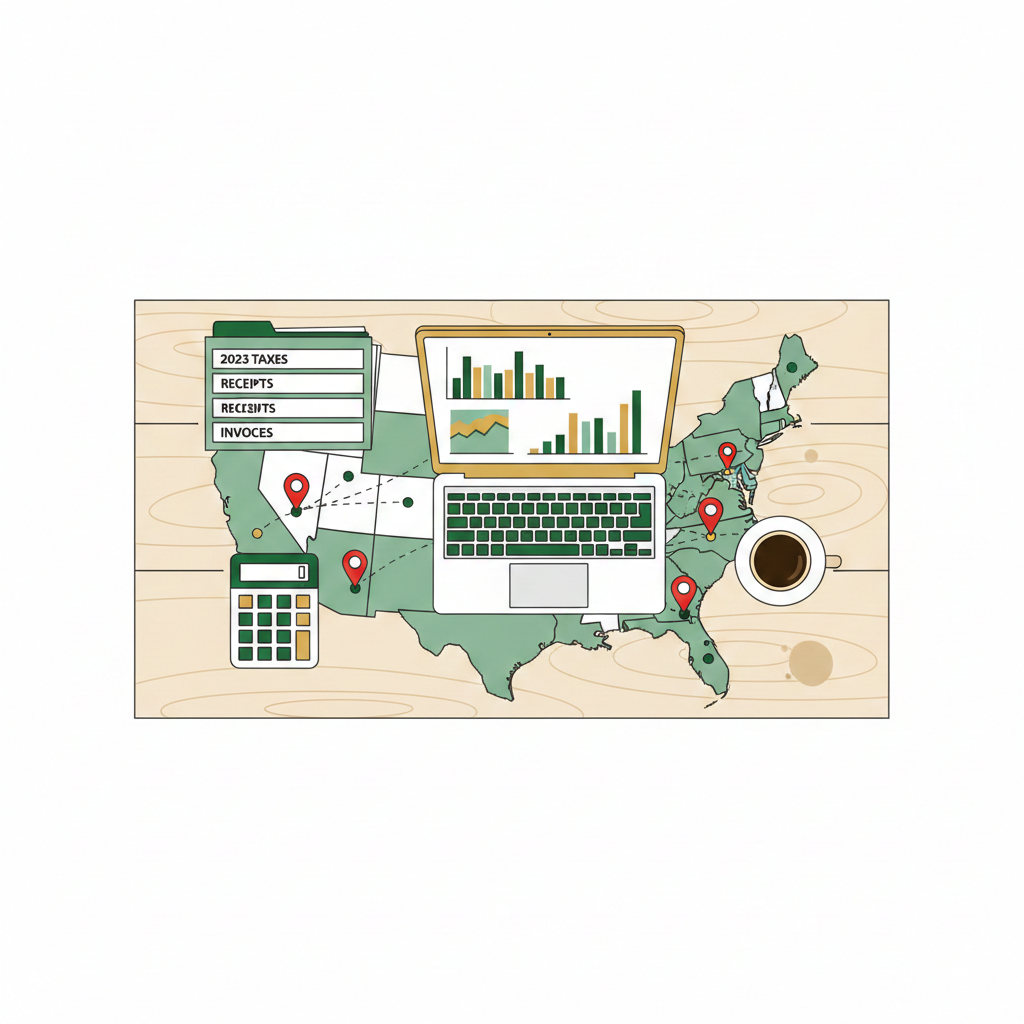
The tax landscape for online sellers is complex. Sales tax nexus, income tax, inventory accounting, and platform rules all interact. Missing any piece can cost you thousands.
Take it step by step. Research before you act. Track everything carefully. And when you need expert guidance, work with professionals who understand the unique challenges of e-commerce.
At Tall Oak Advisors, we specialize in helping online sellers like you navigate the financial side of growth. From sales tax compliance across multiple states to inventory accounting strategies that save you money, our team knows e-commerce inside and out. We help Amazon FBA sellers, Walmart merchants, and multi-channel entrepreneurs build strong financial foundations so they can scale with confidence.
The e-commerce market will grow to nearly $8 trillion by 2027. There is plenty of room for sellers who approach growth wisely. Your next product line or sales channel could be the key to hitting your goals.
Ready to expand the right way? Contact Tall Oak Advisors today for a free consultation. Let us handle the numbers so you can focus on growing your business.
Disclaimer: This article provides general information for educational purposes. It is not tax, legal, or financial advice. Tax laws change frequently, and every business situation is different. Please consult a qualified accountant, tax professional, or attorney before making business decisions based on this information.
Take Control of Your Finances Today!
Whether you’re a Reseller (Wholesale, Retail Arbitrage, Online Arbitrage, Dropshipping) or a Brand Owner, managing finances is key to your success. We support eCommerce businesses across major platforms like Amazon, Shopify, eBay, Walmart, Etsy, BigCommerce, and beyond.
See if you qualify for a free strategy session with our team to learn how Tall Oak Advisors can streamline your bookkeeping and ensure accurate tax preparation for your business.
Need a quick quote?
Or explore our range of free resources crafted specifically for eCommerce sellers:
- Business Tax Worksheet
- Frequently Asked Questions About Taxes and Bookkeeping
- Tax Write-Offs Every Amazon and Shopify Seller Should Know
Take the first step toward a stronger financial future and position your business for long-term success.
You’re scaling your e-commerce business. New products. New platforms. More revenue. Feels like winning, right?
But here’s what no one tells you: expansion triggers hidden taxes, new state filings, and costs you never budgeted for.
Many sellers hit a ceiling with one product line or one sales channel. They ask: how do I grow from here?
The answer lies in expansion. New product types. More platforms. More customers. More money.
But here’s the catch. Each move brings new tax rules. New compliance. New costs you won’t see coming. Without a plan, you could end up owing money you never expected.
This guide walks you through both types of growth. Real tax laws. Real examples from sellers who did it right. And the mistakes that trip people up.
By the end, you’ll have a clear path forward—steps to take, forms to file, and costs to plan for.
Part 1: Understanding Your Expansion Options
What Does Product Category Expansion Mean?
Product category expansion means selling new types of items. Say you sell phone cases right now. Adding screen protectors is a small step. Adding wireless chargers is a bigger step. Adding clothing is an even bigger jump.
Each new category brings new things to think about. You need new suppliers. You need to learn new shipping rules. You may need new storage space. Some products have special tax rules too.
The fashion market hit over one trillion dollars in online sales in 2024. Electronics came in second. Home goods and health items are growing fast too. These numbers show where buyers are spending money.
What Does Sales Channel Expansion Mean?
Sales channel expansion means selling in more places. If you only sell on Amazon today, you could add Walmart. You could open your own website. You could try TikTok Shop or Etsy.
In 2024, online marketplaces handled 67 percent of all global online sales. That is up from 40 percent in 2014. More buyers are using more platforms. Meeting them where they shop makes sense.
Each platform has its own rules. Each has its own fees. Each may create new tax duties for your business. We will cover all of this.
Why Both Types of Growth Matter
Relying on one product or one platform is risky. If Amazon changes its rules tomorrow, your whole business could suffer. If your product goes out of style, you have nothing else to sell.
Smart sellers build on many pillars. They sell multiple product types. They sell on multiple platforms. This way, if one area slows down, the others keep money coming in.
Research shows that 61 percent of shoppers look at more than one marketplace before they buy. If you are only on one platform, you are missing customers who prefer to shop elsewhere.
Part 2: Tax Laws You Must Understand
Sales Tax and Economic Nexus: The Big Picture
Here is a term you need to know: economic nexus. It sounds complex, but the idea is simple. If you sell enough in a state, you have to collect sales tax there. This is true even if you have no office or warehouse in that state.
This rule comes from a 2018 Supreme Court case called South Dakota v. Wayfair. Before that case, you only had to collect sales tax in states where you had a physical presence. Now, selling to customers in a state can be enough.
Most states use a threshold of $100,000 in sales per year. If you cross that line, you must register in that state, collect tax from buyers, and send that tax to the state. Some states also count the number of sales you make.
Key Threshold Examples for 2025
| State | Sales Threshold | Transaction Threshold |
|---|---|---|
| Most States | $100,000 | No longer required |
| California | $500,000 | None |
| Texas | $500,000 | None |
| New York | $500,000 | 100 transactions |
Good news: as of July 2025, 15 states have dropped the transaction threshold entirely. This makes things simpler. You only need to track your dollar sales, not the number of orders.
Five states have no sales tax at all: Oregon, Delaware, Alaska, Montana, and New Hampshire. If all your customers lived in those states, you would not need to worry about sales tax. But most sellers have customers across the country.
How Marketplace Facilitator Laws Help You
Here is some relief. Most states now have marketplace facilitator laws. These laws put the tax burden on the platform, not on you.
If you sell on Amazon, Amazon collects the sales tax from your buyer. Amazon sends that tax to the state. You do not have to do anything extra for those sales.
The same is true for Walmart, Etsy, eBay, TikTok Shop, and most other major platforms. They handle the tax math and the payments.
But watch out. If you also sell on your own website, those sales are on you. You must collect and pay the tax yourself. Many sellers forget this when they expand to direct sales.
Also note: some states count your marketplace sales toward your nexus threshold. Others do not. This matters when you track whether you need to register in a state for your direct website sales.
Inventory Creates Physical Nexus
Economic nexus is about your sales volume. Physical nexus is about where your stuff is located.
If you use Amazon FBA, your products sit in Amazon warehouses across the country. That inventory creates physical nexus in each state where Amazon stores your goods.
This can trigger more than just sales tax duties. Some states may want you to file corporate income tax returns too. The rules vary by state.
When you expand to new channels or new products, think about where your inventory will live. More warehouses in more states means more filing duties.
Income Tax: Federal Requirements
The IRS wants its share of your profits. As your business grows, you will likely owe more federal income tax. Here are the key rules:
- If you run your e-commerce business as a sole owner, you report income on Schedule C of your Form 1040.
- LLCs with one owner also use Schedule C. LLCs with multiple owners file Form 1065.
- S corporations file Form 1120-S. C corporations file Form 1120.
- If you expect to owe more than $1,000 in taxes, you must make quarterly estimated payments.
Missing quarterly payments leads to penalties and interest. Set aside 25 to 30 percent of your profits throughout the year to stay ahead.
Form 1099-K: Platform Reporting
When you sell on platforms like Amazon, eBay, or Etsy, they report your sales to the IRS. They send you Form 1099-K if you cross certain limits.
The IRS has been lowering these limits. If you sell on multiple platforms, you may get multiple 1099-K forms. You must report all income on your tax return, even if you do not get a form.
The 1099-K shows gross sales. This includes shipping fees, sales tax collected, and refunds. It does not show your actual profit. You must track your costs separately to calculate your true income.
Inventory Accounting: FIFO vs. LIFO
When you add new product categories, you add more inventory. How you value that inventory affects your taxes.
The IRS allows three main methods:
- FIFO (First In, First Out): This assumes you sell your oldest items first. In times of rising prices, FIFO gives you a lower cost of goods sold. This means higher profits and higher taxes.
- LIFO (Last In, First Out): This assumes you sell your newest items first. When prices rise, LIFO gives you a higher cost of goods sold. This means lower profits and lower taxes.
- Weighted Average: This averages the cost of all items you have. It falls between FIFO and LIFO.
Part 3: Step-by-Step Implementation Guide
Expanding to New Product Categories
Adding new products takes careful planning. Follow these steps to do it right:
Step 1: Research Your New Category
- Look at market size and growth trends. Fashion leads online sales at over one trillion dollars per year.
- Check if the product has special tax rules. Some states exempt clothing under certain price points.
- Find out if you need special permits or licenses. Food products, for example, have strict rules.
- Study your competitors. What prices do they charge? What do their reviews say?
Step 2: Set Up Your Accounting System
- Create separate tracking for each product category. This helps you see which lines make money.
- Choose your inventory method (FIFO, LIFO, or average) before you buy any products.
- Set up unique SKUs for each product. This prevents mix-ups and makes tax time easier.
- Track all costs that go into your products: item cost, shipping to you, packaging, and handling fees.
Step 3: Budget for Initial Costs
New products require upfront money. Plan for:
- Inventory purchase: Start small until you prove demand.
- Product photography and listing creation: Budget $50 to $500 per product.
- Marketing and advertising: Plan 10 to 20 percent of expected revenue.
- Storage fees: Amazon charges $0.87 to $2.40 per cubic foot per month.
Step 4: Claim Your Tax Deductions
Good news for 2025: Section 179 allows you to deduct equipment costs right away. The limit jumped to $2.5 million this year. This covers computers, software, office furniture, and business equipment.
You can also deduct:
- Platform fees (Shopify, BigCommerce subscriptions)
- Advertising costs on all platforms
- Shipping supplies and postage
- Home office expenses (if you work from home)
- Professional services (accountant, lawyer)
Expanding to New Sales Channels
Step 1: Choose Your New Platforms Wisely
Not every platform fits every seller. Consider these options:
Amazon: The biggest player with nearly $800 billion in sales in 2024. High traffic but high competition and fees.
Walmart Marketplace: Growing fast with lower competition. No monthly fee, just referral fees. Good for sellers who want a simpler setup.
TikTok Shop: New and growing fast. Works best for products that look good on video. Commission around 6 percent plus transaction fees.
Your Own Website: Gives you full control and no platform fees. But you must handle sales tax collection yourself.
Etsy: Best for handmade, vintage, or unique items. Strong community of buyers who value craft.
Step 2: Set Up Multi-Channel Fulfillment
In September 2025, Amazon expanded its Multi-Channel Fulfillment (MCF) service. You can now use your Amazon FBA inventory to fill orders from Walmart, Shopify, and other platforms.
Sellers who use MCF with FBA see an average 19 percent sales lift. They also cut out-of-stock rates by 19 percent and improve inventory turnover by 12 percent.
Key points about MCF for multi-channel:
- Walmart orders ship in plain boxes with no Amazon branding.
- You can block Amazon carriers for Walmart orders (5% fee waived until January 2027).
- One inventory pool serves all your sales channels.
- New sellers get 10 percent off fulfillment costs on their first 100 MCF units.
Step 3: Register for Sales Tax in New States
When you expand to new channels, you may trigger nexus in more states. Follow this process:
- Track your sales by state each month.
- When you approach a state’s threshold, prepare to register.
- Apply for a sales tax permit in that state (most have online systems).
- Set up tax collection for that state on your direct sales channels.
- File and pay taxes on the schedule that state requires (monthly, quarterly, or yearly).
Tax automation tools like TaxJar, Avalara, or TaxCloud can help. They track your nexus across states and file returns for you. Costs run $20 to $500 per month based on your sales volume.
Step 4: Set Up Platform-Specific Requirements
For TikTok Shop:
- Must be 18 or older with valid U.S. ID
- Business sellers need business license and EIN
- Approval takes 24 to 48 hours
- Must ship within 24 to 48 hours of order
For Walmart Marketplace:
- Need business tax ID (EIN or SSN for sole proprietors)
- Products must meet Walmart’s quality standards
- No monthly fees, just category-based referral fees
Part 4: Real-World Examples and Case Studies
Sarah, The Single-Channel Seller Who Expanded Wrong
Sarah had been running an online business for three years. She sold only on Amazon and never checked their sales by state. She assumed Amazon handled everything.
Then audit notices arrived from four states at once. The states said Sarah had crossed nexus thresholds years ago through FBA inventory stored in warehouses.
What could have been $8,000 in sales tax turned into $23,000 after penalties and interest. Sarah had to set up payment plans with each state.
The lesson: Track where your inventory sits. FBA creates physical nexus even when the marketplace handles sales tax on Amazon orders. You may still owe for other filings.
Marcos: Product Category Expansion Done Right
Marcos, a phone accessory seller wanted to add wireless chargers and cables. He started small with 50 units of each new product.
He set up separate SKUs and tracked costs carefully. The FIFO method worked well because his product costs stayed stable. He used Section 179 to deduct new product photography equipment that same year.
Within six months, the new products made up 30 percent of their revenue. The gross margin was actually higher than their original products because of better supplier terms on larger orders.
The lesson: Start small, track everything, and use tax deductions to lower your expansion costs.
Conclusion: Growth Is a Journey, Not a Jump
Expanding your e-commerce business takes work. It takes planning. It takes money upfront. But done right, it opens doors to more customers, more sales, and a more stable business.
The tax landscape for online sellers is complex. Sales tax nexus, income tax, inventory accounting, and platform rules all interact. Missing any piece can cost you thousands.
Take it step by step. Research before you act. Track everything carefully. And when you need expert guidance, work with professionals who understand the unique challenges of e-commerce.
At Tall Oak Advisors, we specialize in helping online sellers like you navigate the financial side of growth. From sales tax compliance across multiple states to inventory accounting strategies that save you money, our team knows e-commerce inside and out. We help Amazon FBA sellers, Walmart merchants, and multi-channel entrepreneurs build strong financial foundations so they can scale with confidence.
The e-commerce market will grow to nearly $8 trillion by 2027. There is plenty of room for sellers who approach growth wisely. Your next product line or sales channel could be the key to hitting your goals.
Ready to expand the right way? Contact Tall Oak Advisors today for a free consultation. Let us handle the numbers so you can focus on growing your business.
Disclaimer: This article provides general information for educational purposes. It is not tax, legal, or financial advice. Tax laws change frequently, and every business situation is different. Please consult a qualified accountant, tax professional, or attorney before making business decisions based on this information.
Take Control of Your Finances Today!
Whether you’re a Reseller (Wholesale, Retail Arbitrage, Online Arbitrage, Dropshipping) or a Brand Owner, managing finances is key to your success. We support eCommerce businesses across major platforms like Amazon, Shopify, eBay, Walmart, Etsy, BigCommerce, and beyond.
See if you qualify for a free strategy session with our team to learn how Tall Oak Advisors can streamline your bookkeeping and ensure accurate tax preparation for your business.
Need a quick quote?
Or explore our range of free resources crafted specifically for eCommerce sellers:
- 7 Profit Crushing Mistakes That Will Destroy Your eCommerce Business
- Business Tax Worksheet
- Frequently Asked Questions About Taxes and Bookkeeping
- Tax Write-Offs Every Amazon and Shopify Seller Should Know
Take the first step toward a stronger financial future and position your business for long-term success.